
Stucco Guides for Tucson Homeowners
Practical articles on stucco repair, maintenance, and restoration from contractors who work in the Sonoran Desert every day.
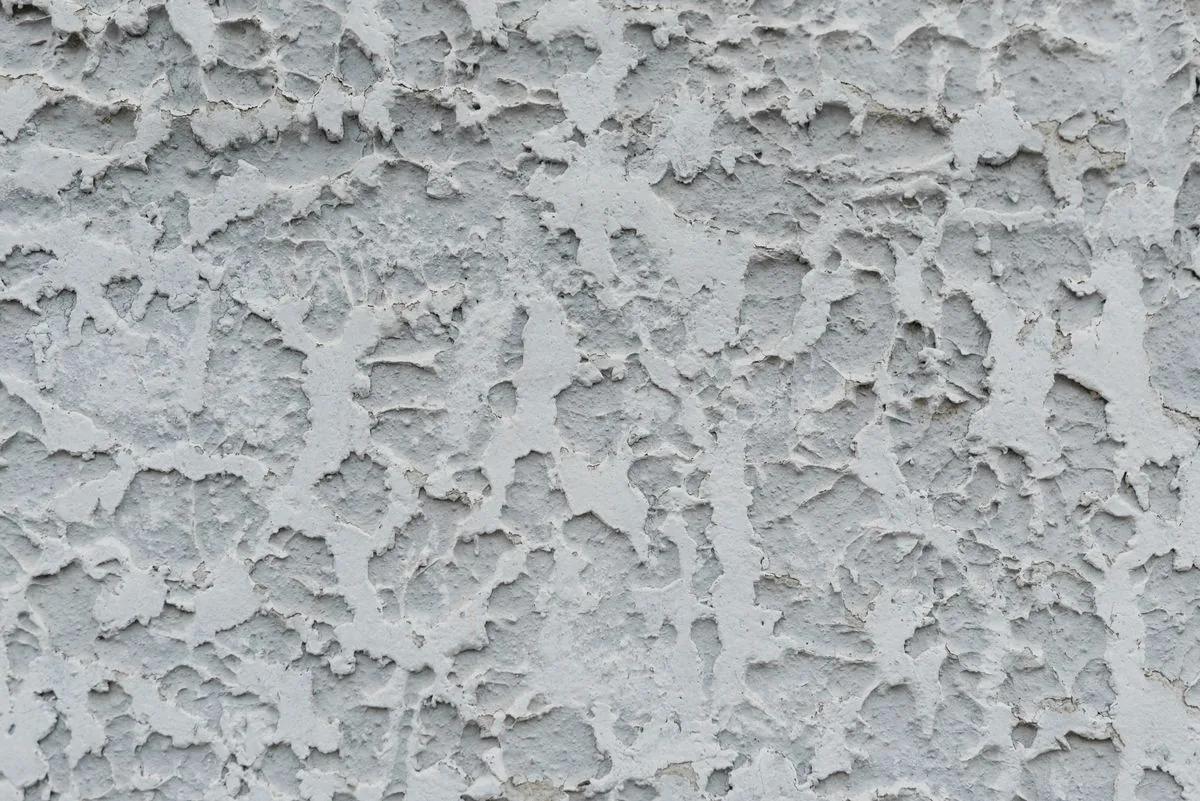
How to Spot Stucco Damage Before Tucson's Monsoon Season
A room-by-room inspection checklist for identifying cracks, delamination, and water entry points while you still have time to fix them before the storms arrive.
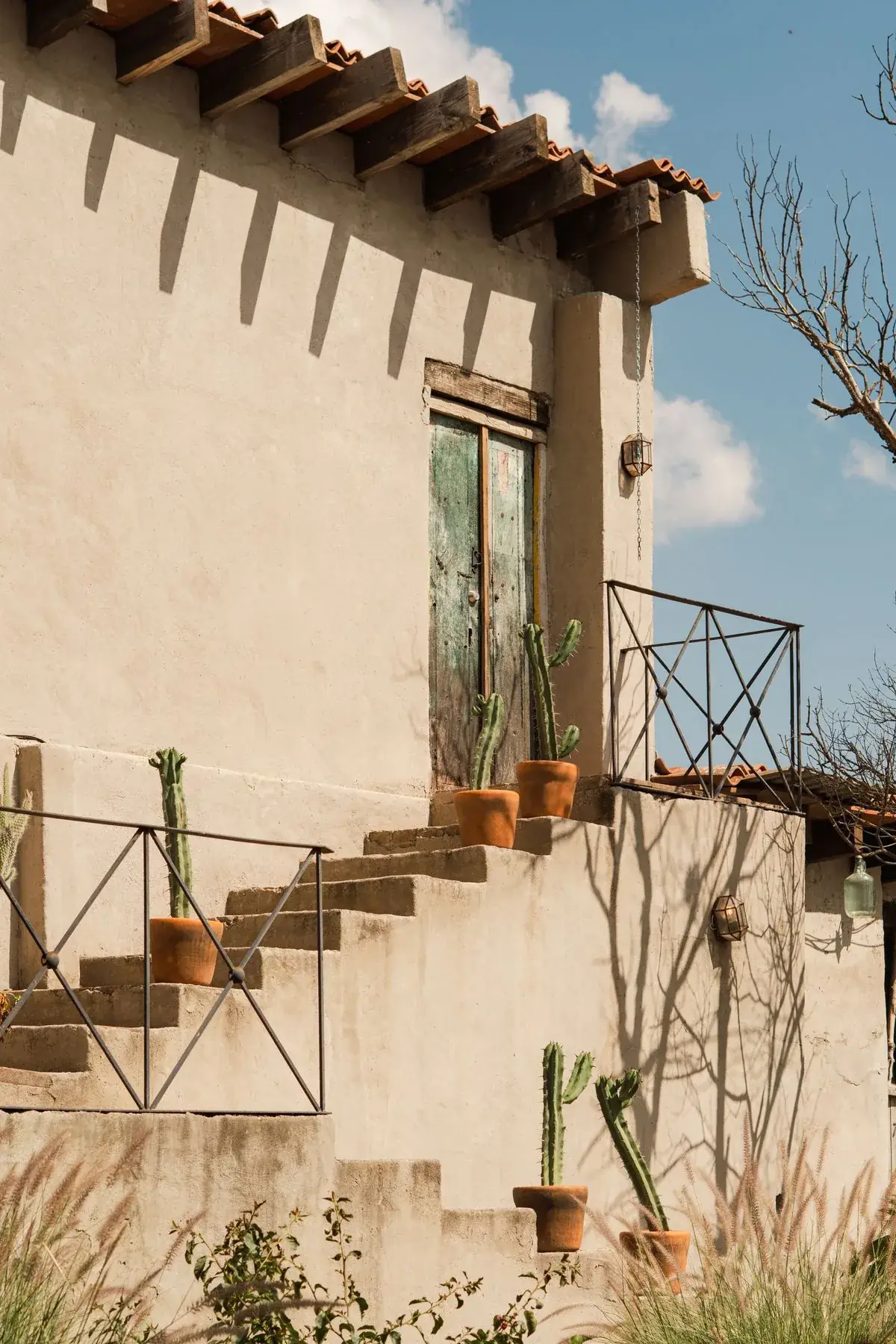
Stucco vs EIFS: Which Performs Better on Tucson Homes?
Traditional Portland cement stucco and synthetic EIFS handle the Sonoran Desert differently. A side-by-side comparison on UV resistance, monsoon moisture, thermal cycling, and repair cost.
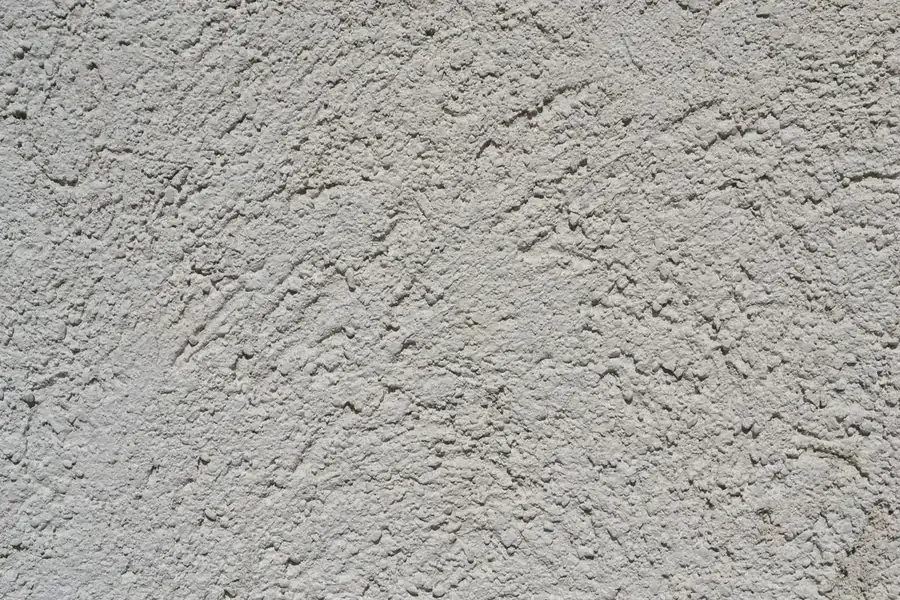
How Long Does Stucco Last in Arizona's Climate?
Traditional stucco can last 50 to 80 years in Arizona with the right maintenance. A practical schedule and the specific factors that shorten stucco lifespan in the desert.
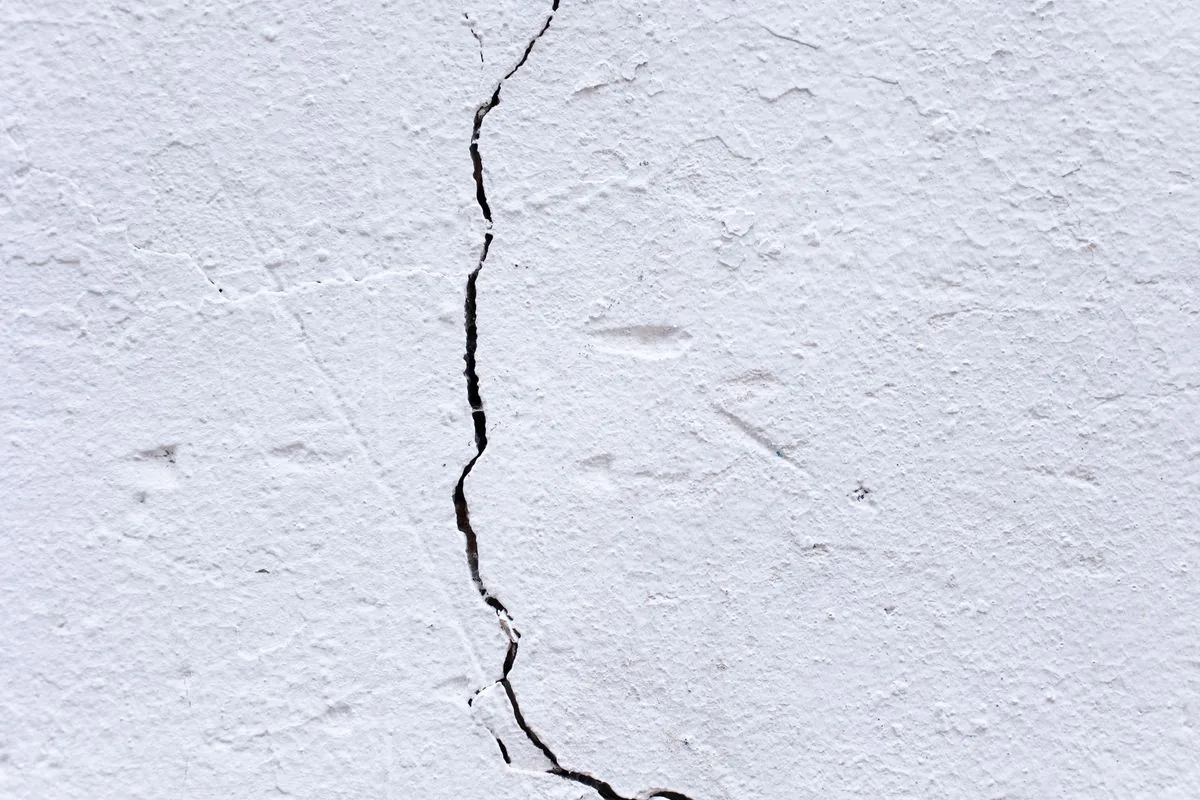
Stucco Crack Types: What Each One Means and When It Needs a Pro
Hairline, diagonal, horizontal, stair-step, map cracking, and delamination. A contractor explains exactly what each crack pattern means and what to do about it.
Re-Stucco vs Patch Repair: How to Know Which You Need
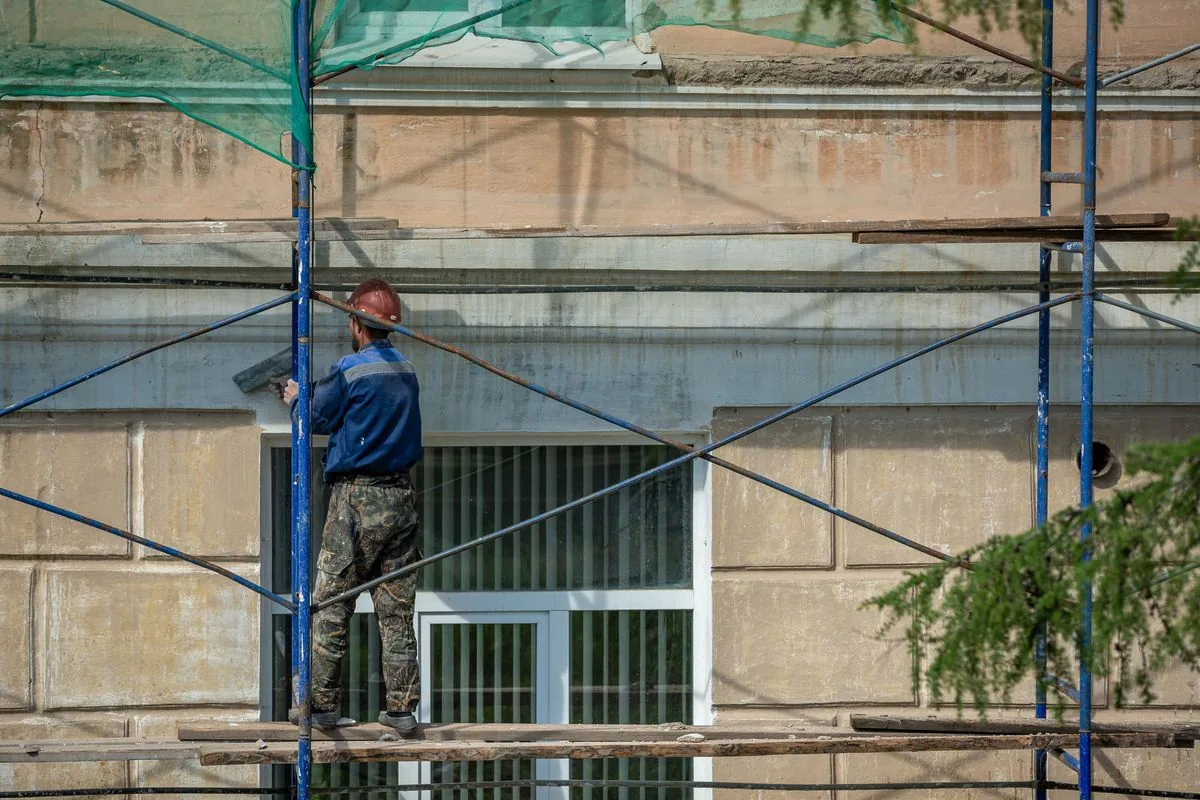
Patching is almost always cheaper. Full re-stucco is sometimes the smarter investment. The decision framework, with specific thresholds, from a Tucson stucco contractor.
Stucco Color Fade in the Sonoran Desert: Causes and Fixes
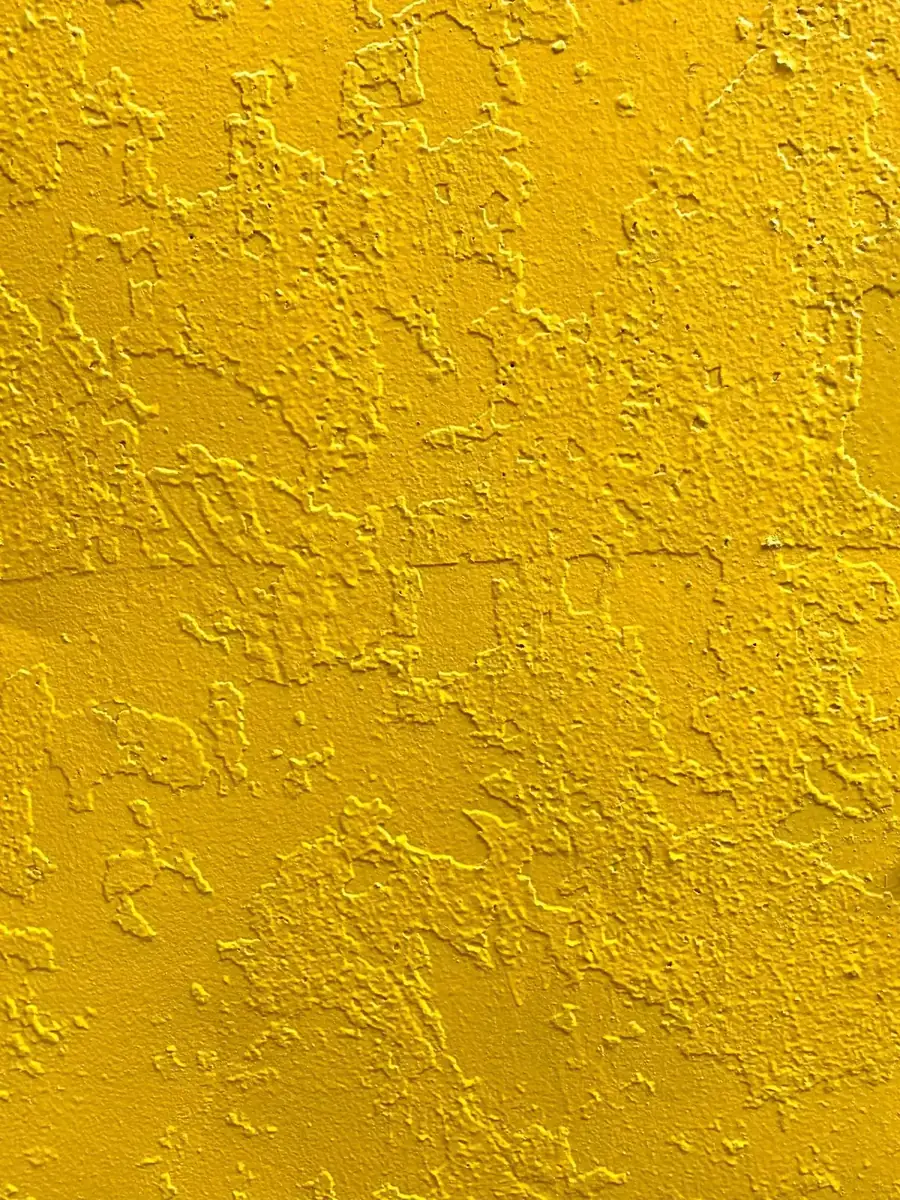
Tucson's UV index accelerates stucco color fade faster than almost any other US market. What causes it, when it stops being cosmetic, and the best restoration options.
In-Depth Service Guides
Price ranges for every repair type in Tucson, from hairline cracks to full re-stucco.
How Tucson's monsoon season damages stucco and what to do right after a storm.
When Pima County requires a permit for stucco work and how to get one.
Which Guide Do You Need?
Start with the Stucco Crack Types guide. It sorts cracks into hairline, diagonal, horizontal, stair-step, and map cracking, and tells you which ones are cosmetic and which signal a substrate or foundation problem. Getting that call right is the difference between a color coat and a structural repair.
Before, almost always. The Monsoon Prep guide explains why: Tucson takes roughly half its 10.61 inches of annual rain between early July and September, and every open crack is a direct water path into the wall assembly during those storms. Repairs made in the October through May window also cure properly, which coatings applied above 95 degrees F often do not.
Press your knuckle against the wall. EIFS flexes slightly because there is EPS foam behind the finish coat, while traditional three-coat stucco does not move at all. The Stucco vs EIFS guide covers the full comparison, and the EIFS vs stucco cost page covers what each system costs to install and maintain in Tucson.
Ready for a Free Stucco Estimate?
The wall is inspected and you get a written quote before any work starts. No pressure, no obligation.
Request Free Estimate