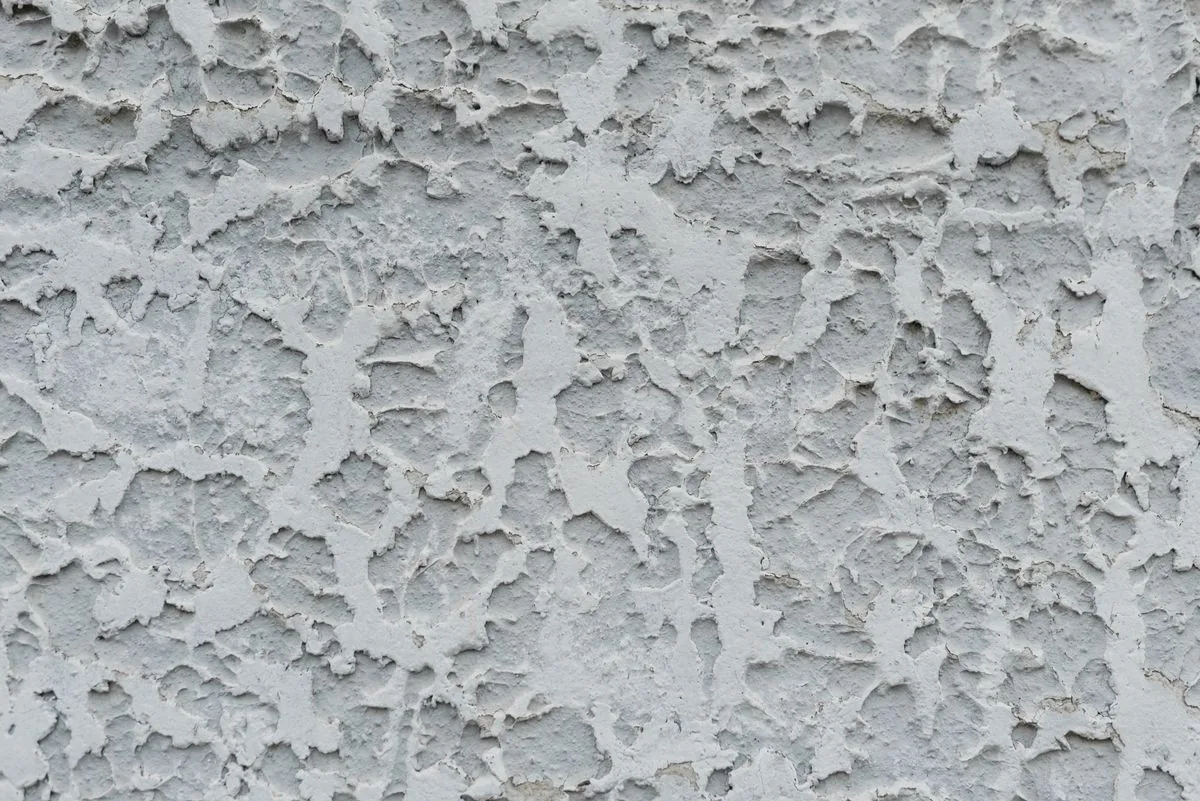
Tucson's monsoon season runs from mid-June through September and brings wind-driven rain at angles that ordinary vertical rainfall never creates. Any crack that looked minor all winter can funnel inches of water into your walls within a single storm. The good news: most stucco damage that would cause real problems during monsoon is identifiable by eye in May, when you still have 4 to 6 weeks to schedule repairs before the first storms arrive.
This guide walks you through exactly what to look for, where to look, and how to tell a cosmetic crack from one that needs professional attention before the season starts.
Why Monsoon Makes Stucco Damage Worse
Most stucco damage in Tucson accumulates from a one-two punch. From October through May, daily temperature swings of 35 to 45 degrees Fahrenheit expand and contract the stucco layer repeatedly. This thermal cycling creates micro-cracks that gradually widen over several years. When monsoon arrives, those cracks become water channels. Sustained wind pushes rain horizontally into southwest-facing walls at pressure that gravity-fed rainfall never creates.
Water that enters a crack migrates behind the stucco layer, saturates the brown coat, reaches the metal lath, and begins rusting it from inside. Rust expands. That expansion pushes the stucco outward, creating the bubbled or delaminated sections you see on older Tucson homes after a bad summer. Catching cracks before they become water entry points is the entire game.
The Pre-Monsoon Inspection Checklist
Southwest-facing walls take the direct hit from Tucson's monsoon storms. Do your most careful inspection here. Stand 6 to 8 feet back and look for any discoloration, bulging, or surface irregularity. Then walk close and run your hand lightly over the surface, feeling for ridges or soft spots. Any wall section that flexes slightly when pressed is delaminated.
Use your knuckles or a small rubber mallet to tap the wall around any visible crack or discoloration. Bonded stucco makes a solid, slightly dull sound. Delaminated stucco makes a hollow sound, as if you're tapping over an air pocket. Mark hollow areas with masking tape so you can note their size and location. Any section larger than a dinner plate that sounds hollow should be addressed before monsoon.
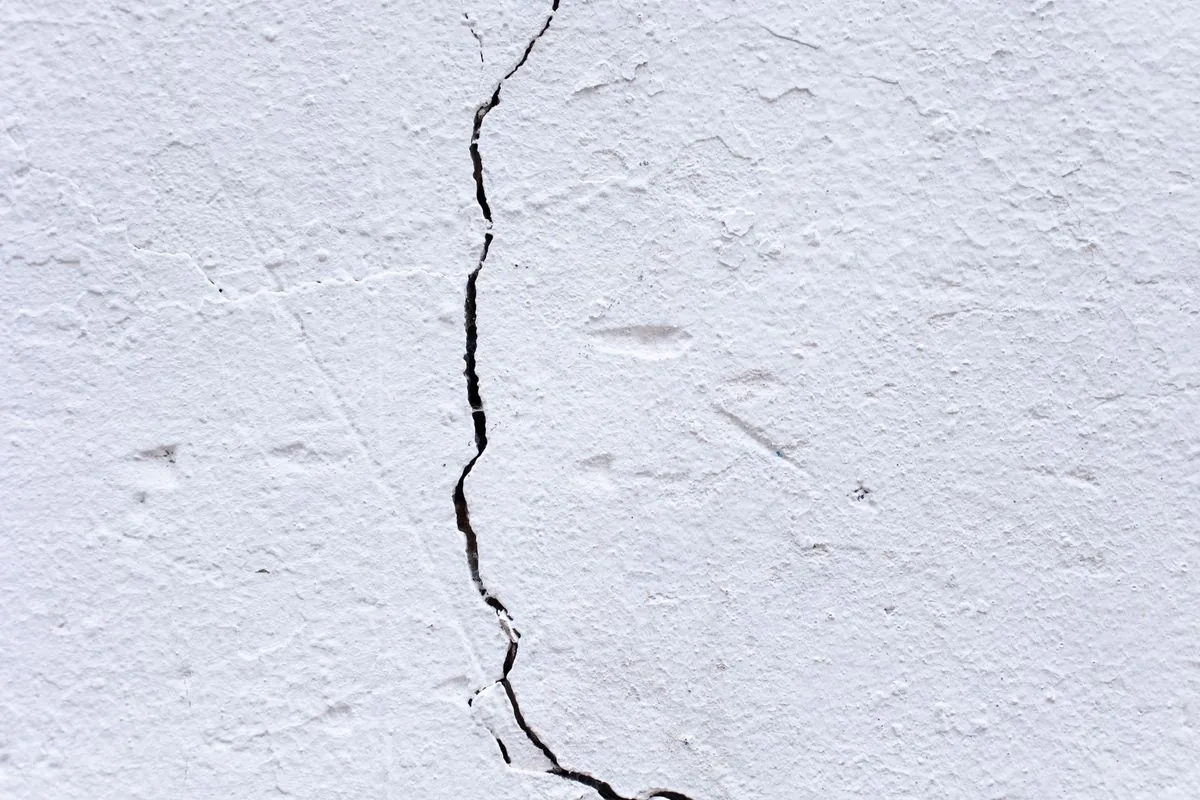
Hairline cracks under 1/16 inch wide are generally cosmetic thermal movement. Cracks between 1/16 and 1/8 inch need sealant before monsoon to prevent water entry. Cracks wider than 1/8 inch, cracks with visible displacement (one side higher than the other), or cracks that radiate from window corners need professional assessment. Take a photo next to a coin for scale.
The joint between stucco and window or door frames is the most common water entry point on Tucson homes. Look for gaps in the caulk line, cracks that run diagonally from window corners, or any area where the stucco edge has separated from the frame. Water that enters here runs down inside the wall cavity, not out to a visible drip, so damage can be extensive before any interior sign appears.
Where the stucco wall meets a parapet, gable end, or roof line is another common failure point. Check that the flashing at the top of the wall is intact and that stucco extends to but not past the flashing edge. Any gap between flashing and stucco, or any area where the flashing has lifted, can admit monsoon water directly into the wall.
Exterior electrical boxes, hose bibs, AC refrigerant lines, dryer vents, and cable entry points all penetrate the stucco plane. Each one is a potential water entry point if the seal around it has cracked or shrunk. Confirm that each penetration has intact caulk or sealant on all four sides and that there are no gaps between the fitting and the stucco surface.
Red Flags That Need Professional Repair Before July 1
Some damage is DIY-manageable with a quality elastomeric sealant. Other damage needs a stucco contractor before the season starts. Here is the line between them:
- Hairline cracks under 1/16 inch on accessible single-story walls
- Gaps around utility penetrations smaller than 1/4 inch
- Recaulking around window and door frames where the old caulk has shrunk but not separated
- Touch-up elastomeric coating over small surface crazes
- Any area that sounds hollow when tapped, regardless of visible crack size
- Cracks wider than 1/8 inch, especially near windows or at wall corners
- Visible bulging or lifting of the stucco surface
- Stucco separation at roof-to-wall or flashing transitions
- Any crack that has visible displacement (one side higher than the other)
Timing: Book Repairs by Memorial Day
Tucson contractors' schedules fill in May and early June as homeowners make the same pre-monsoon calculation at the same time. A multi-coat patch repair needs 5 to 7 days of cure time before it can handle heavy rain. If you book a repair in the third week of June, you may not get it done before the first storm.
Booking by Memorial Day gives you scheduling flexibility and ensures any new stucco cures fully. The free estimate takes about 30 minutes and includes a complete visual and tap inspection of your exterior. We will prioritize anything that poses a monsoon risk and give you a written quote before any work starts.
Common Questions
When is the best time to inspect stucco before monsoon season in Tucson?
How can I tell if a stucco crack is structural or just cosmetic?
Can I seal stucco cracks myself before calling a professional?
Get a Free Pre-Monsoon Stucco Inspection
We inspect your entire exterior, identify every crack and delamination risk, and give you a written quote before any work starts. Book before Memorial Day for the best scheduling availability.
- Free on-site inspection, no commitment
- Written quote before any work begins
- Pre-monsoon priority scheduling available
- Licensed and insured in Arizona
- Tucson and Pima County coverage