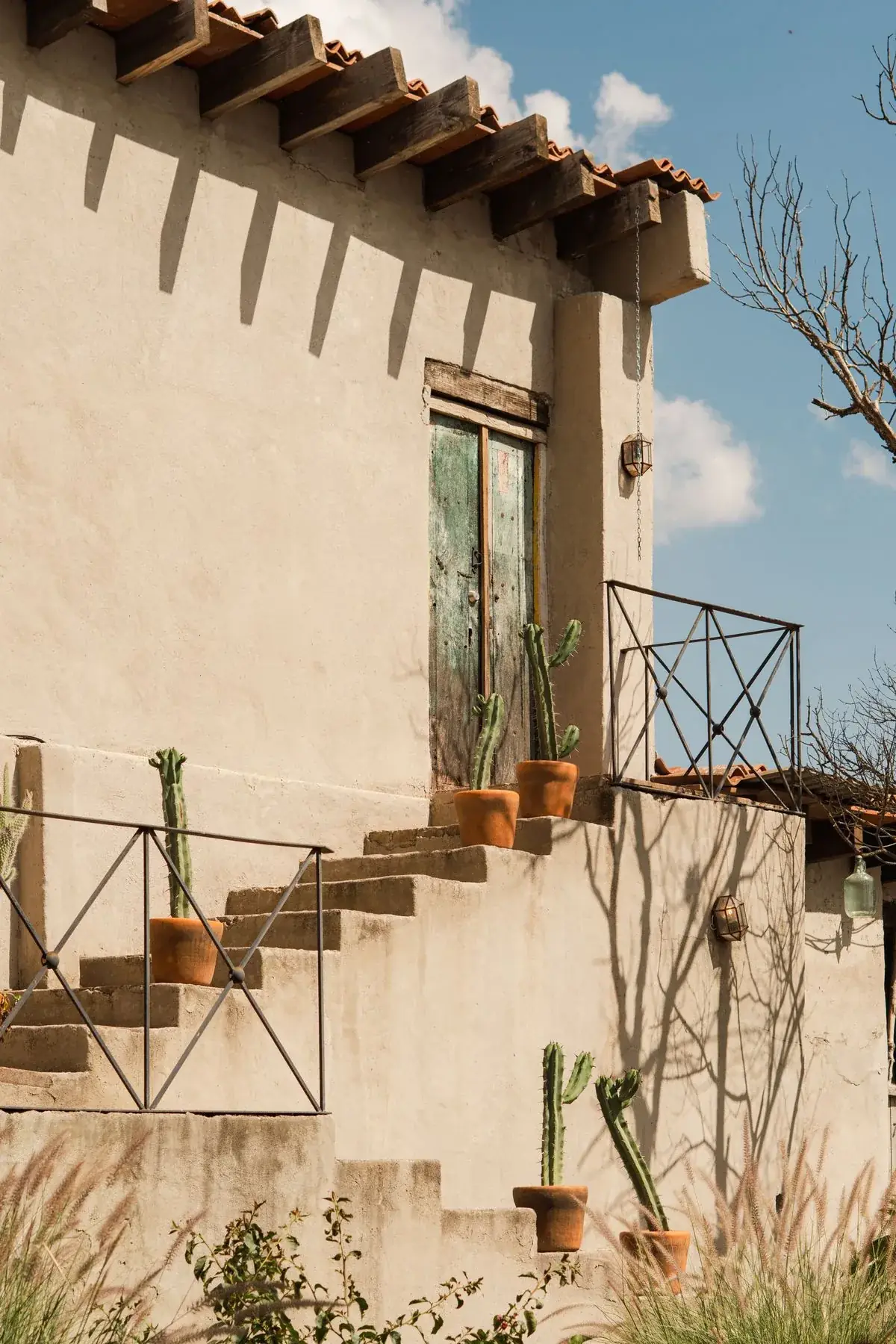
If you have lived in Tucson for any length of time, you have almost certainly touched both types of exterior wall finish without knowing it. Traditional three-coat Portland cement stucco has been the default exterior cladding for Southwestern homes since the territorial era. EIFS, which stands for Exterior Insulation and Finish System and is sometimes called synthetic stucco, became popular in Tucson starting in the 1980s as builders looked for a product that offered better insulation and a similar aesthetic.
Both systems can last for decades on a Tucson home. Both can also fail prematurely if installed incorrectly or left without maintenance in a desert climate. Understanding the difference matters whether you are buying a home, repairing an existing wall, or making a decision about a re-coat. Here is a direct, system-by-system comparison.
What Each System Actually Is
Three coats applied to a metal lath substrate. The scratch coat bonds to the lath and creates a base. The brown coat adds thickness and builds a level plane. The finish coat creates the visible texture and color. Total applied thickness is typically 7/8 inch. The material is Portland cement based, which means it is rigid, breathable, and nearly identical in composition to concrete.
Traditional stucco has no insulating value of its own but has a proven track record in desert climates dating back centuries in the American Southwest.
A laminate system applied over a substrate. Expanded polystyrene (EPS) foam is adhesively applied to the sheathing, providing insulation and a base. A fiberglass mesh-reinforced acrylic basecoat is applied over the foam. The finish coat is an acrylic polymer product applied to achieve the desired texture and color.
EIFS finish coats are thinner than traditional stucco, can be tinted to a wide range of colors, and produce a surface that is somewhat more flexible than Portland cement.
Side-by-Side Comparison
| Category | Traditional Stucco | EIFS |
|---|---|---|
| Material | Portland cement, sand, water | EPS foam + acrylic finish coat |
| Application | 3-coat: scratch, brown, finish | Adhesive + foam + basecoat + mesh + finish |
| Insulation value | None (R-value ~0.2) | R-2 to R-7 depending on foam thickness |
| Flexibility | Rigid; cracks under thermal movement | More flexible; handles thermal movement better |
| Water resistance | Breathable; allows vapor to escape | Barrier system; must be installed with drainage |
| Repair cost | Lower; materials widely available | Higher; requires compatible acrylic products |
| Impact resistance | Harder surface; dent-resistant | Softer foam layer; can dent from impact |
| Lifespan with maintenance | 50+ years | 25 to 40 years depending on installation quality |
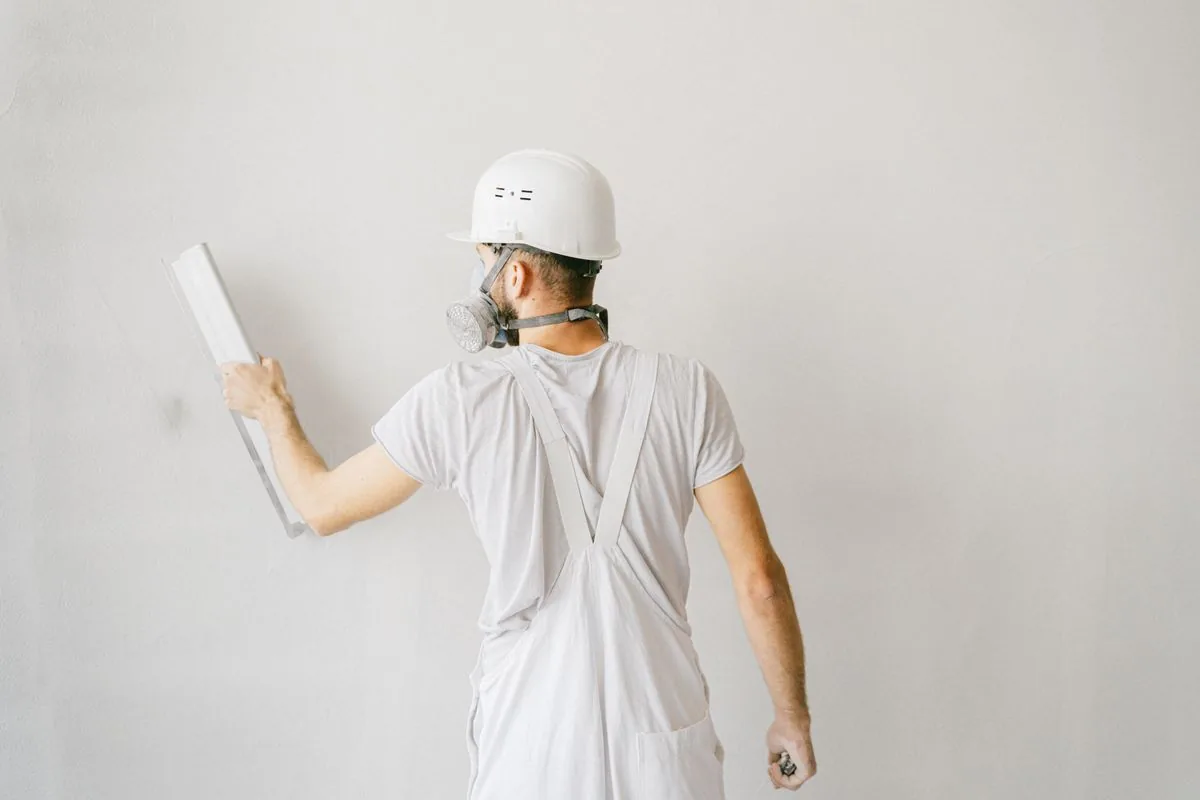
How Each System Handles Tucson's Desert Climate
This is the biggest stressor on any Tucson exterior. Traditional stucco cracks under repeated thermal cycling because Portland cement is rigid. This is why crack repair is such a common maintenance item on older Tucson homes. EIFS handles thermal movement better because the acrylic finish coat has more flexibility than cement, and the foam layer absorbs some of the substrate movement. On new construction, EIFS typically shows fewer thermal cracks over the first 10 to 15 years than traditional stucco. On a repair-by-repair basis, however, traditional stucco is simpler and cheaper to maintain.
Traditional stucco is a breathable system. Moisture that enters can escape as vapor, which limits the depth of penetration. EIFS is designed as a moisture barrier, not a drainage system, unless it has been installed with a drainage plane behind the foam. Barrier EIFS without drainage can trap monsoon moisture behind the finish coat if any penetration exists, leading to wall cavity saturation that traditional stucco would handle more tolerantly. This is why EIFS installation quality matters more in Tucson than in dry climates where monsoon-level moisture events are rare.
The Sonoran Desert has some of the highest UV index readings in the continental United States. Traditional stucco is UV-resistant by nature since it is a mineral product. The acrylic finish coat on EIFS is more UV-sensitive and will fade faster than a Portland cement finish, typically requiring color maintenance or elastomeric recoating at 8 to 12 year intervals. This is a real maintenance cost to factor into EIFS ownership.
The Repair Cost Difference
Traditional stucco repairs use Portland cement-based materials that are widely available, competitively priced, and well-understood by any experienced stucco contractor. EIFS repairs require EIFS-compatible acrylic materials, and the repair must integrate with the existing foam layer. This adds both material cost and skill requirements. Our experience is that EIFS repairs typically run 20 to 40 percent higher than equivalent traditional stucco repairs on a per-square-foot basis.
Color matching is also more challenging on EIFS because the acrylic finish weathers differently than Portland cement. A patch repair on a 10-year-old EIFS wall may not achieve an invisible match even with the same color formula, because the original finish has faded and the patch has not. On traditional stucco, fog coat application can blend a repair into the surrounding wall much more effectively.
Which Should You Choose?
If you are repairing an existing system, the answer is straightforward: use compatible materials for whichever system you have. Mixing traditional and EIFS products creates adhesion failures and long-term compatibility problems. A free estimate visit will identify which system is on your home.
If you are doing new construction or a full re-exterior, the decision depends on priorities. Traditional stucco costs less upfront, is easier and cheaper to repair over decades, and has a proven track record in desert climates. EIFS costs more upfront, provides meaningful insulation value, and handles thermal cycling slightly better but requires higher installation quality to avoid monsoon moisture problems. Either choice on a well-built, well-maintained Tucson home will perform for decades.
If you are unsure which system is on your home now, or if you have received conflicting repair advice, we are happy to take a look during a free estimate visit and give you a direct, system-specific recommendation.
Common Questions
How do I know if my home has traditional stucco or EIFS?
Is EIFS more energy-efficient than traditional stucco in Tucson?
Can EIFS be repaired to look the same as the original finish?
Get a Free Stucco or EIFS Repair Estimate
We identify your system, assess the damage, and give you a written quote before any work starts. No obligation.
- Traditional stucco and EIFS repair expertise
- System identification included in free estimate
- Written quote before any work begins
- Licensed and insured in Arizona
- Serving Tucson and Pima County