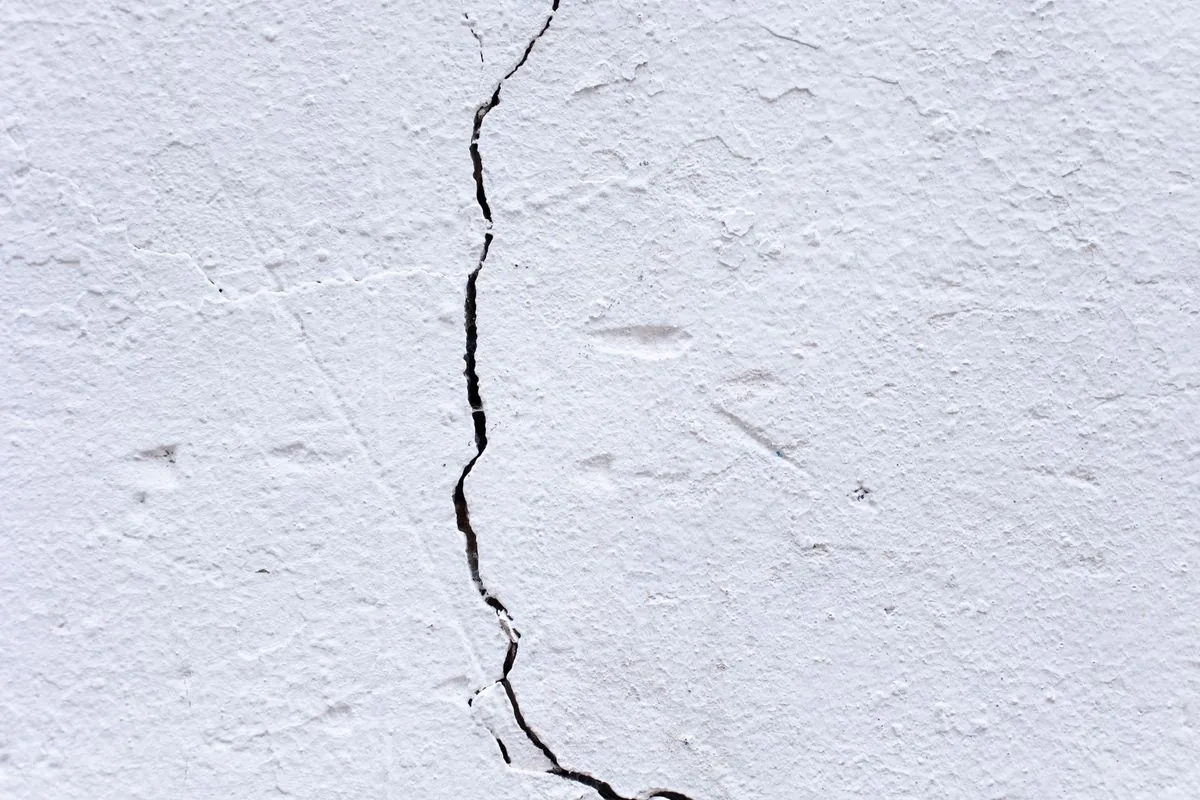
Stucco Repair Cost Guide: Tucson, AZ
Realistic price ranges for every type of stucco repair in Tucson, from a single hairline crack to a full re-stucco. What drives costs up, what drives them down, and when to get an estimate.
Why Stucco Repair Costs Vary So Much in Tucson
Stucco repair pricing in Tucson covers a wide range because no two jobs are the same. A single hairline crack on an accessible wall might take under an hour. A section of delaminated stucco on a two-story home with underlying water damage to the framing can take several days and involve multiple trades. The figures below reflect real work in this market, not national averages that do not account for Tucson's specific conditions.
Several factors are particular to the Sonoran Desert. Tucson's daily temperature range is among the highest of any major city in the United States, often swinging 40 degrees Fahrenheit between early morning and mid-afternoon. That constant expansion and contraction puts stucco under stress that does not exist in more temperate climates. UV intensity here is also extreme, degrading the binder in stucco's finish coat faster than it would in coastal or northern markets.
Add in the monsoon season and you have a climate that is unusually demanding on stucco systems. Wind-driven rain from June through September pushes moisture into cracks at angles that vertical rainfall never would, and water that gets behind the stucco layer has nowhere easy to go. Understanding these conditions helps explain why repair costs here differ from what you might see quoted in a national home improvement guide, and why the timing of the repair matters as much as the repair itself.
Stucco Repair Cost Ranges: Tucson, AZ
Prices below are typical ranges for Tucson and Pima County as of 2025. Actual quotes depend on access, substrate condition, and texture complexity. Free on-site estimates are the only accurate way to price your specific job.
| Repair Type | Typical Range |
|---|---|
| Hairline crack repair (under 1/16") | $150 to $400 |
| Mid-size crack repair (1/16" to 1/4") | $300 to $700 |
| Small patch repair (under 2 sq ft) | $300 to $600 |
| Medium patch (2 to 8 sq ft) | $400 to $900 |
| Large water damage section (8 to 20 sq ft) | $900 to $2,000 |
| Full wall section delamination | $1,500 to $3,500 |
| Fog coat (whole house) | $2,500 to $5,000 |
| Elastomeric repaint (whole house) | $3,000 to $6,000+ |
| Full re-stucco, single-story | $8,000 to $12,000 |
| Full re-stucco, two-story | $15,000 to $25,000+ |
What Drives Stucco Repair Costs Up in Tucson
Single-story walls accessible by ladder carry no scaffolding premium. Two-story walls, gables, and tight side yards require full scaffold setup, which adds $300 to $900 to the job depending on how much wall is involved. If access requires specialty equipment like a lift, that gets factored in during the estimate.
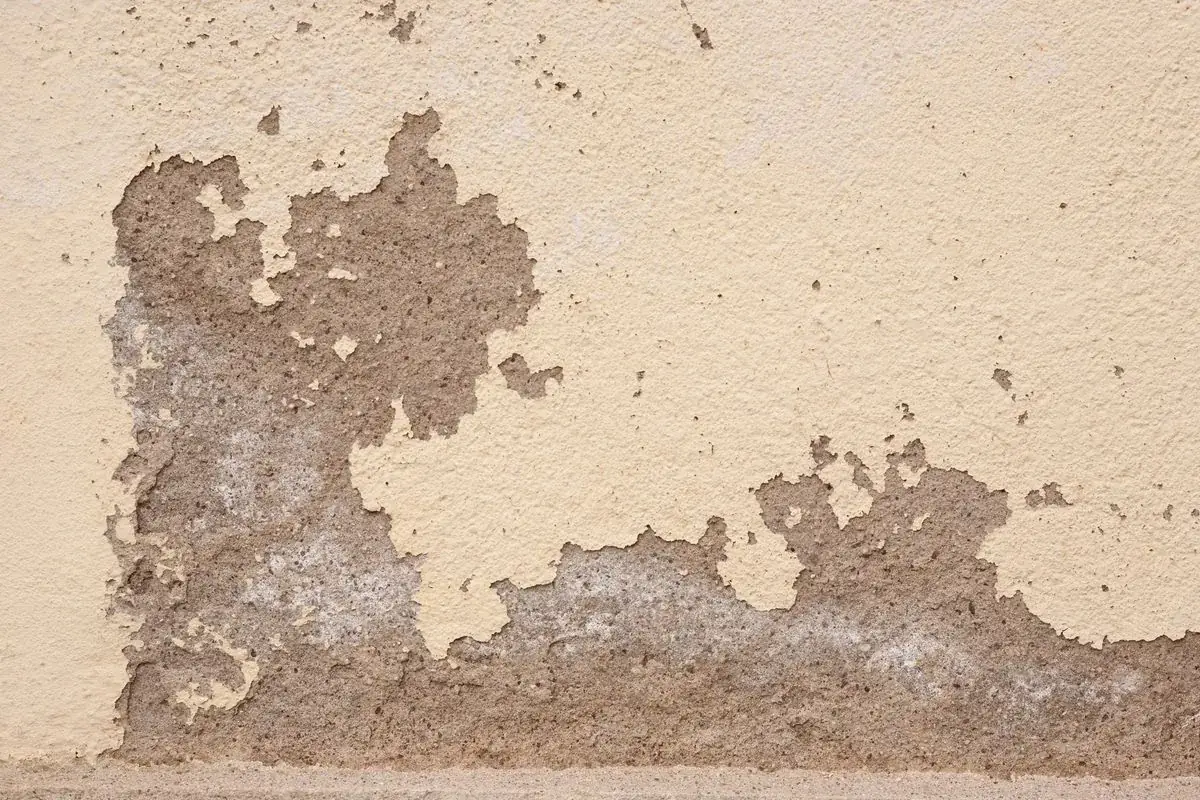
A crack that has been open through two or three monsoon seasons often has water-damaged substrate behind it. Wet or rotted wood, rusted metal lath, and saturated brown coat all must be addressed before new stucco can be applied. Substrate repair is quoted after the existing stucco is opened, which is why free on-site estimates matter more for larger patches than for small cracks.
Standard three-coat traditional stucco applications include a scratch coat, brown coat, and finish coat, each requiring cure time before the next is applied. A patch repair that only needs a finish coat costs far less than a section that requires all three coats from the substrate out. The depth of the repair, not just its surface area, determines the number of coats.
Tucson homes carry a wide variety of stucco finishes. Sand finish, smooth finish, skip trowel, lace, and various custom textures all require different application techniques and sometimes specialized tools. Matching a rare or aged texture takes more time and skill than a standard sand finish, which adds to labor cost.
Exterior Insulation and Finish Systems (synthetic stucco) repair differently than traditional Portland cement stucco. EIFS requires compatible acrylic basecoat and finish coat products, and delamination or moisture intrusion behind EIFS is often more extensive than it looks from outside. EIFS repairs generally run 20 to 40 percent higher than comparable traditional stucco work.
Multi-coat jobs scheduled during summer carry a potential surcharge when temperatures exceed 100 degrees. Stucco applied in extreme heat dries too fast if not carefully managed, which can cause shrinkage cracking in the new coat. Contractors who work year-round in Tucson use retarders and shade measures in summer, and some pass those material and time costs to the customer on large jobs.
What You Are Paying For
Stucco repair quotes include three categories of cost: materials, labor, and equipment. Understanding what each covers helps you evaluate a bid and spot quotes that leave something out.
Stucco mix (Portland cement or pre-mixed acrylic), elastomeric caulk for active cracks, finish coat material, primers, bonding agents, and color-matched coating or fog coat. On patches, materials are a relatively small portion of the total. On a full re-stucco, materials can represent 30 to 40 percent of the project cost. Elastomeric and acrylic products cost more than standard Portland cement mixes but outperform them in Tucson's thermal-cycling environment.
Preparation work (grinding, cleaning, opening cracks), scratch coat application and cure wait, brown coat and cure wait, finish coat, texture work, and color sealing. For patches, most of the cost is in the prep and texture-matching stages, not in the fill itself. An experienced plasterer who can replicate a 20-year-old skip trowel finish costs more per hour than someone who only does standard sand finish, and that expertise is worth the premium if your home has a distinctive texture.
Scaffolding, lifts, angle grinders, hawk and trowel, spray equipment for fog coat or elastomeric coating, mixers for larger jobs, and tarps or shade structures for summer work. Equipment costs are typically absorbed into the labor rate on small jobs and broken out as a line item on larger ones. For scaffolding-intensive jobs, rental cost and setup time are a real factor that should appear explicitly in any written quote.
DIY vs Professional: When Each Makes Sense
Stucco repair is not beyond a competent DIYer, but the failure points are specific. Here is where DIY saves money and where it tends to create more expense down the road.
- Single hairline cracks on a single-story wall you can reach safely from a 6-foot ladder
- Touch-up patches where texture matching is not critical (a side yard wall, a back wall not visible from the street)
- Color touch-ups using a rented airless sprayer over small sections of consistent color
- Caulking around trim, windows, or door frames with elastomeric sealant as a preventive maintenance step
- Cracks wider than 1/8 inch that need opening, tapering, and multi-coat filling
- Any area where the stucco sounds hollow when tapped (delamination requires demo and new assembly)
- Two-story or gable walls where the fall risk from a ladder outweighs the repair cost
- Visible water staining inside or near the repair area (moisture in the wall needs proper diagnosis before patching)
- Large sections or whole-house fog coat where texture and color consistency across a wide area is critical
The most common DIY cost mistake is patching over a crack that is still moving due to thermal cycling. A rigid patch compound applied over an active crack will re-crack within one season in Tucson. The repair looks done but the problem comes back, often wider than before. Using the right material for the crack type is the single biggest quality differentiator between a patch that holds for ten years and one that fails by the next monsoon.
Tucson-Specific Timing and Scheduling Notes
The best window for stucco repair in Tucson is October through May. Temperatures are moderate, humidity is low, and there is no monsoon risk. Stucco applied in this window cures correctly and has time to harden fully before summer UV load hits it.
June through September is not impossible for repairs, but multi-coat jobs require extra management. Stucco applied in 105-degree direct sun can skin over too fast, trapping moisture in the lower layers and causing map cracking in the new coat within a season. Experienced Tucson contractors manage this with retarders added to the mix, shade structures, and early-morning scheduling. If you get a summer quote, ask specifically how the contractor handles high-heat application.
If you notice cracking or damage in the spring, schedule repairs before July 1 if possible. Any crack that can let in monsoon water is a liability from mid-June on, and contractors' schedules fill quickly in May and early June as homeowners make the same calculation. Booking early avoids both weather risk and scheduling delays.
Why Free On-Site Estimates Matter for Stucco
Stucco repair is one of the categories where online estimating tools produce the least reliable results. The cost driver that matters most, whether there is substrate damage behind the crack or delamination, cannot be assessed without physically tapping the wall and, in some cases, opening the stucco. A contractor who quotes a large patch remotely is either padding the price to cover unknown conditions or is about to discover problems on site that change the scope.
A free on-site estimate should include a visual inspection of all visible cracks and damage, tap testing of the surrounding stucco to check for hollow areas, identification of the stucco type (traditional, EIFS, or acrylic finish), and an honest recommendation about whether patching or a broader repair approach makes more sense for the scope of damage found. Use the figures on this page as a budget frame, then get a written quote for your specific situation before committing to anything.
Stucco Repair Cost Tucson AZ: Common Questions
Why is stucco repair more expensive in Tucson than in other Arizona cities?
Can I repair stucco myself to save money?
Does my homeowner's insurance cover stucco repair?
How do I know if I need a patch repair or a full re-stucco?
Get a Free Stucco Repair Estimate in Tucson
We come out, inspect the wall, and give you a written quote before any work starts. No pressure, no obligation. Serving Tucson, Oro Valley, Marana, Sahuarita, and the greater Pima County area.
- Free on-site estimate, no commitment
- Written quote before any work begins
- Transparent pricing, no hidden fees
- Licensed and insured in Arizona
- Tucson area experience with Sonoran Desert stucco conditions