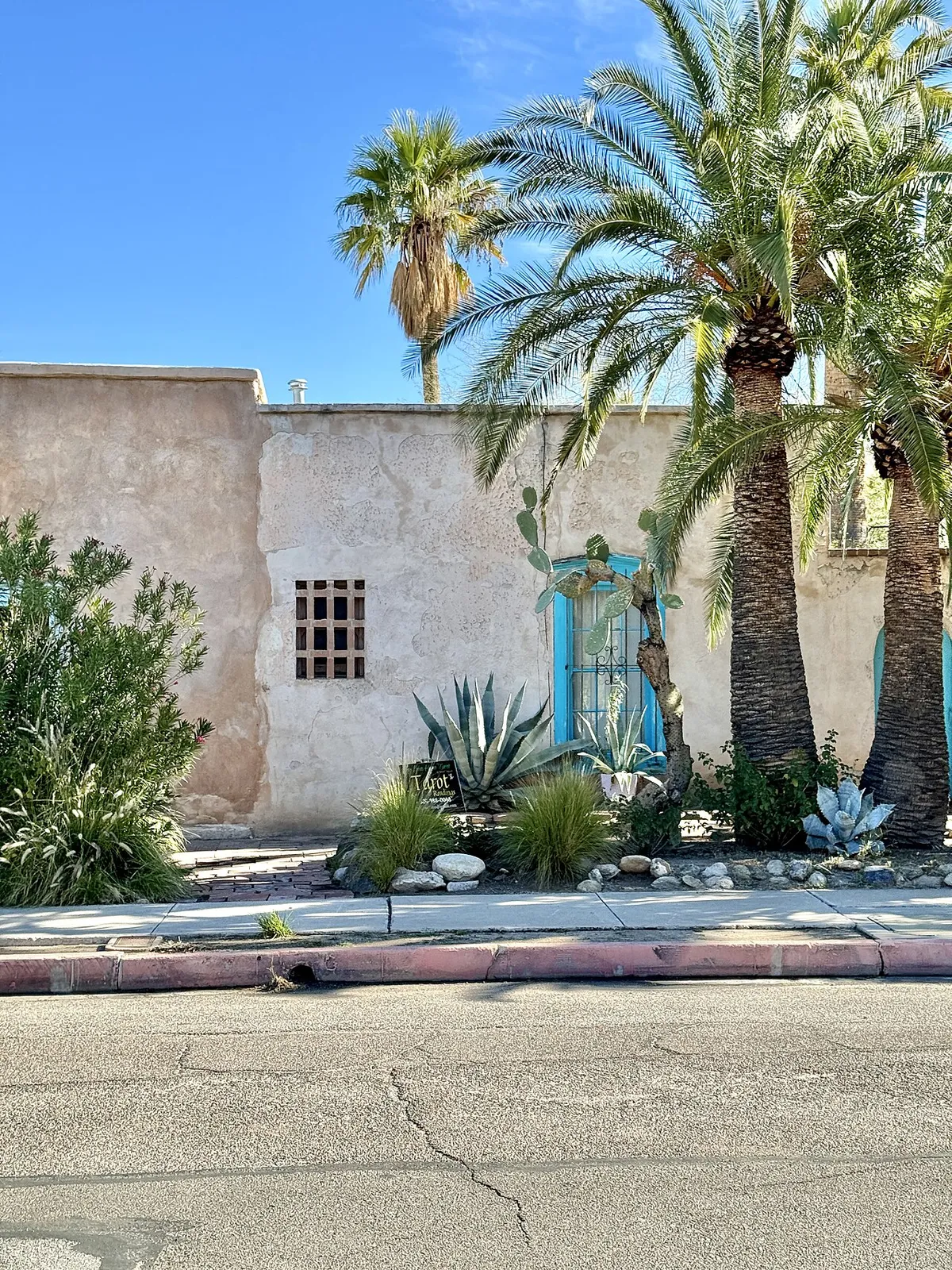
Adobe Repair in Tucson, AZ
Adobe repair in Tucson means stopping the water that is eroding the wall, rebuilding soft or missing adobe, and putting back a plaster that lets the wall breathe, which on old mud brick is mud or lime, not cement stucco. It is the most common repair on the pre-1940 adobe homes in Tucson's barrios.
What Goes Wrong with Adobe Walls in Tucson
Water is behind almost every adobe failure. Rain-saturated adobe loses its strength and sloughs off, which is why old walls have rounded corners and parapets. Water that pools at the foundation and rain splash cut a hollow, called coving, just above the ground. Moisture in the soil rises into the wall by capillary action and carries salts that crust on the surface as it dries. In Tucson that cycle is sharp: months of dry heat, then monsoon storms that hit a wall all at once.
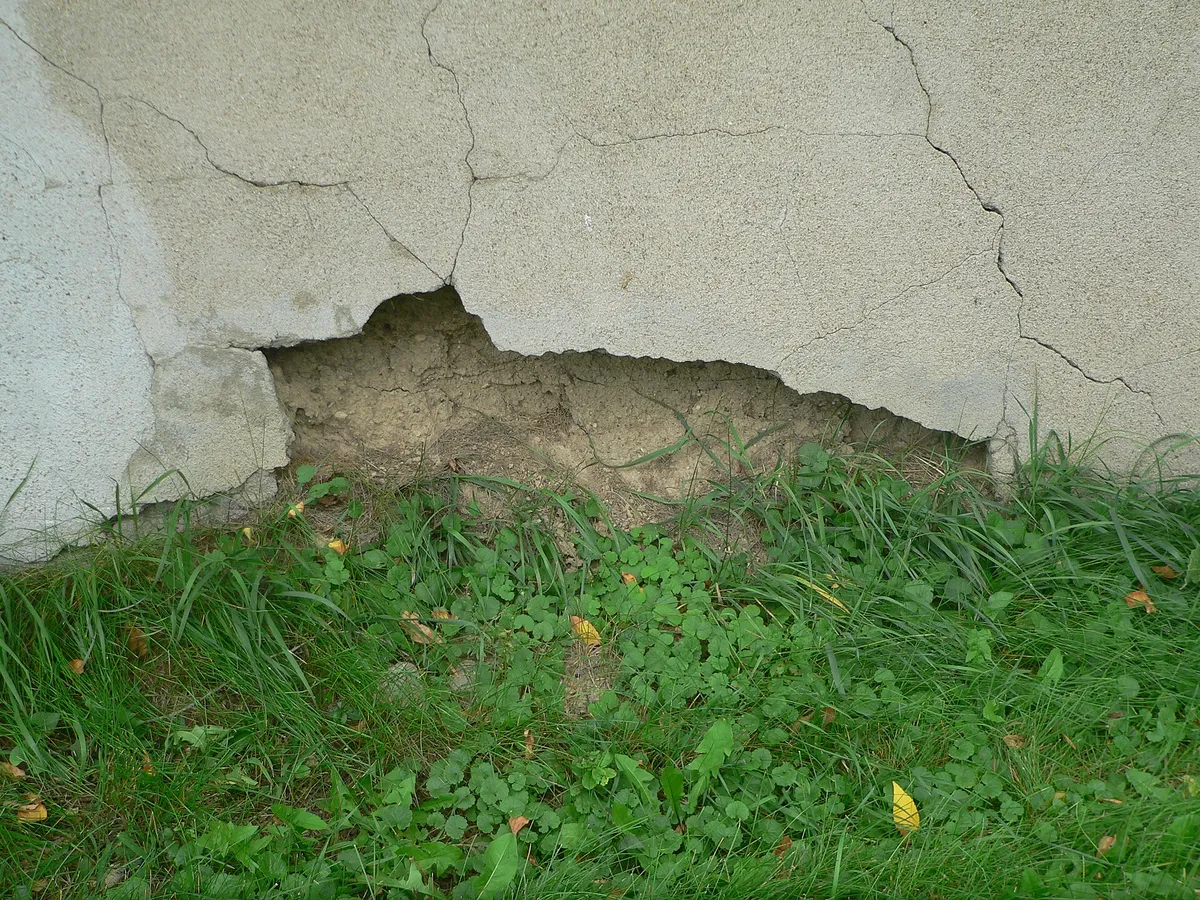
Signs your adobe needs repair
- A hollowed band or crumbling soil at the bottom of the wall
- Plaster that sounds hollow, bulges or has fallen off in sheets
- Cracks in cement stucco over adobe, especially with damp or dark adobe behind
- Rounded, washed-out parapet tops or roof edges
- White salt crust at the base, or adobe that smears when you touch it after rain
Why Cement Stucco Fails on Old Adobe
Cement stucco is the wrong coat for unfired, unstabilized adobe. The National Park Service's preservation brief on adobe explains it plainly: cement stucco does not bond to that kind of adobe, so it is held on only by wire mesh and nails, and moisture in the wall rusts them until the stucco loses contact. Its thermal expansion is 3 to 10 times that of adobe, so it cracks; the cracks let water in, and the cement then keeps the wall from drying out. A wall can look fine from the street while the adobe behind it turns soft.
Many Tucson adobe homes were covered in cement stucco during the twentieth century to modernize them. Where that coat is cracked and the adobe behind is wet, the repair is to take it off in the damaged area, let the wall dry, rebuild the soft adobe, and re-plaster with mud or lime. Over fired or stabilized adobe brick, cement stucco can be a reasonable coat, which is why identifying the brick comes first.
How Adobe Repair Is Done
- Find and stop the water. Regrading so the ground falls away from the wall is often the best fix, because gutters and gravel trenches can end up holding water at the base. Roof drains and canales have to carry runoff clear of the wall.
- Remove what traps moisture. Cracked cement stucco, concrete patches and curb-like buttresses against a coved base come off in the affected area.
- Let the wall dry. Wet adobe can go soft like putty; rebuilding over it fails.
- Rebuild with like material. The NPS brief's rule is to repair adobe with the same kind of material. For a coved base, adobe brick stabilized with soil cement is one option the brief mentions.
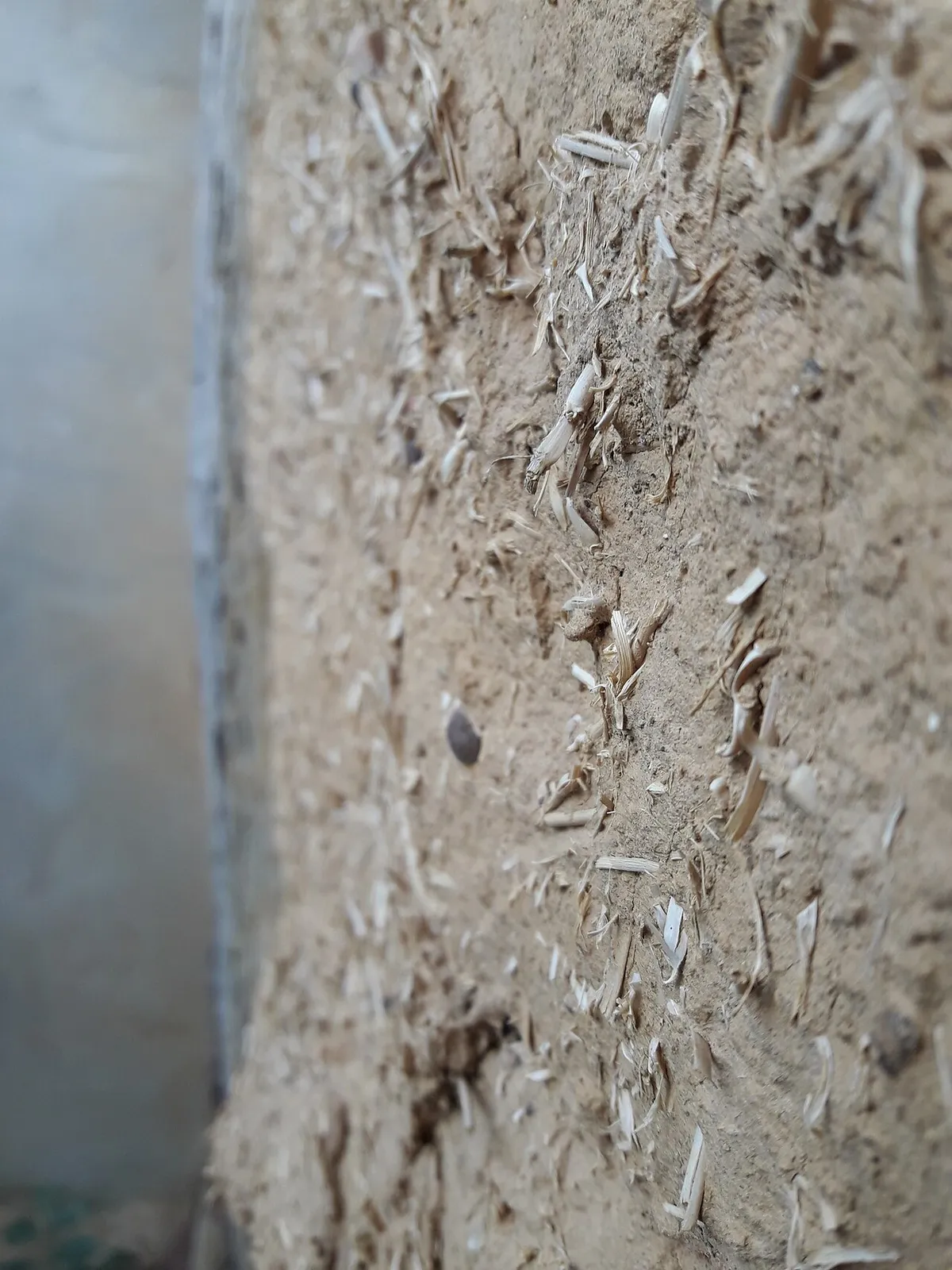
- Re-plaster. Mud plaster is the closest match to the adobe itself but needs regular renewal; lime plaster is more durable and still lets the wall breathe. See plaster repair in Tucson for lime plaster work.
Adobe in Tucson's Historic Districts
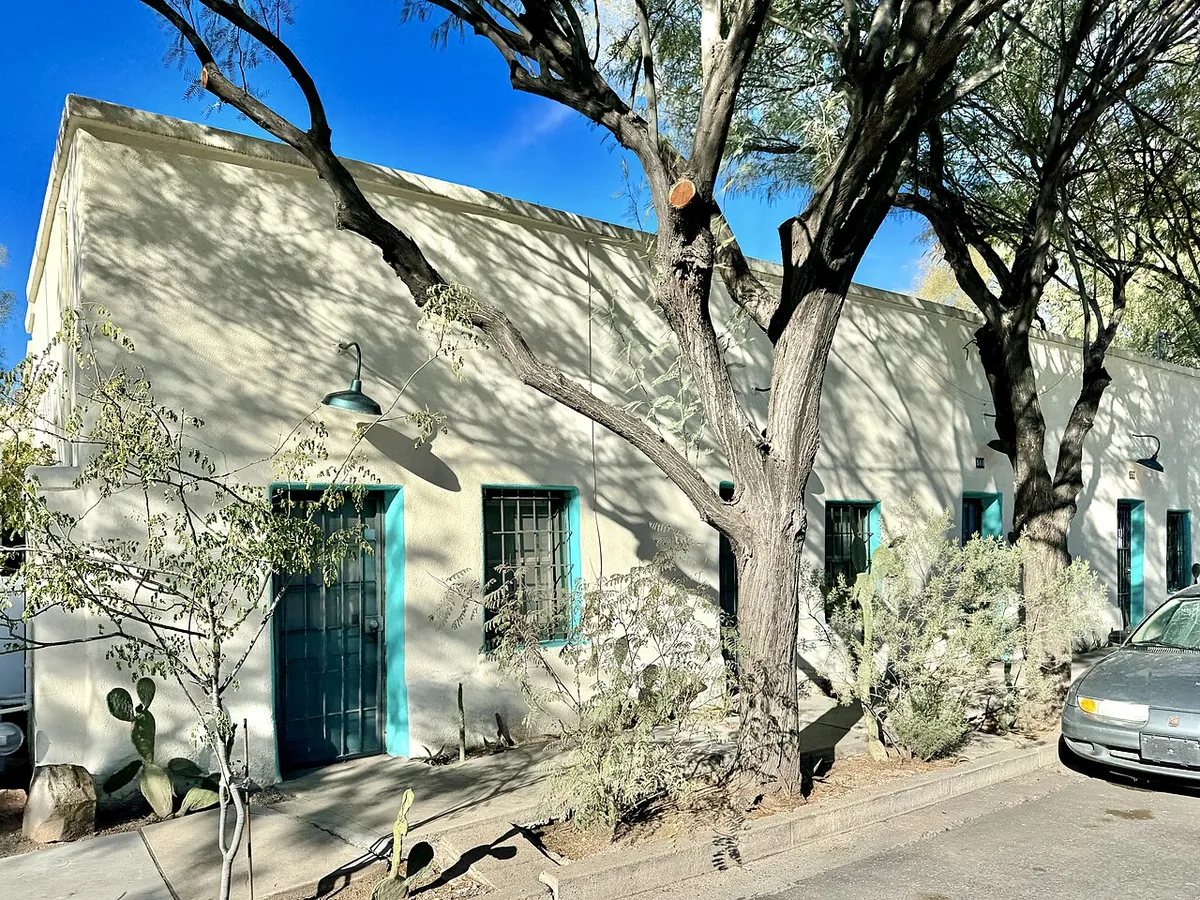
Much of Tucson's surviving adobe is in the city's Historic Preservation Zones: Barrio Historico (Barrio Viejo), El Presidio, Armory Park, West University and Fort Lowell. The City of Tucson's Historic Review guide (revised September 2026) sorts work into tiers. Spot patching of mortar, stucco or plaster, and repainting walls that are already painted, need no historic review. Replacing stucco or plaster is minor review, with a typical 6 to 8 week timeline, and work that changes the exterior more than that goes to full review with the zone's advisory board. A building permit can still be needed separately; the Pima County stucco permit guide covers that side.
When Adobe Repair Is a Job for a Pro
Renewing a small area of mud plaster is work some owners do themselves. Anything that involves removing cement stucco, rebuilding brick, a wall that leans or bulges, or a property in a historic zone is better handled by a contractor who works with adobe, because the wrong material can do more harm than leaving the wall alone. Stucco and plastering work in Arizona falls under the Registrar of Contractors' R-36 Plastering classification; check the license before you hire.
- Coving and eroded wall bases
- Soft, cracked or missing adobe brick
- Cement stucco removal off adobe
- Mud plaster and lime plaster coats
- Parapet and roof-edge erosion
- Drainage away from the wall base
- Historic zone repairs