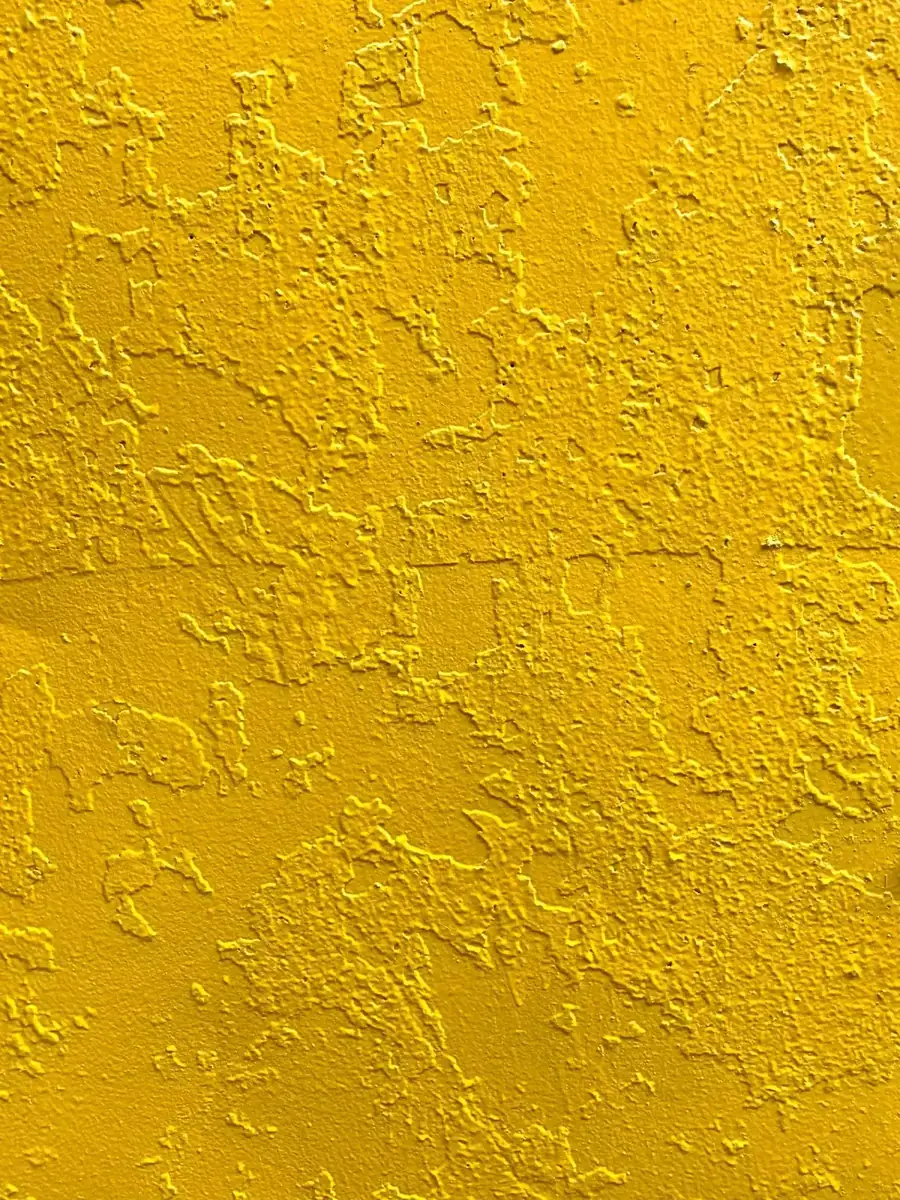
Stucco color fade is one of the most common complaints from Tucson homeowners, and for good reason. The Sonoran Desert receives some of the highest annual UV radiation totals in the continental United States. UV breaks down the pigment and the binder in stucco's finish coat faster here than in any temperate market. A stucco color that looked rich and saturated on a new Tucson home can fade visibly within 5 to 8 years without maintenance.
The good news is that most color fade is a cosmetic and surface maintenance issue, not a structural one. Understanding the cause helps you choose the right fix and the right timing.
Why Stucco Fades Faster in Tucson Than Elsewhere
Tucson's elevation (2,389 feet) and its latitude combine to produce UV index readings of 10 or higher on most summer days. UV at that intensity breaks down organic pigments and the polymers in acrylic finish coats faster than coastal or northern climates experience. A pigmented integral color stucco that would hold its color for 15 to 20 years in the Pacific Northwest may show noticeable fade in Tucson in 7 to 10 years.
South and west-facing walls receive the highest solar load in Tucson. The afternoon sun hits west-facing walls at low angles from May through September, delivering direct radiation for 3 to 5 hours each day. Those walls fade 30 to 40 percent faster than north or east-facing walls on the same house, which is why you often see uneven fade across Tucson homes: one side looks recent, the other looks 10 years older.
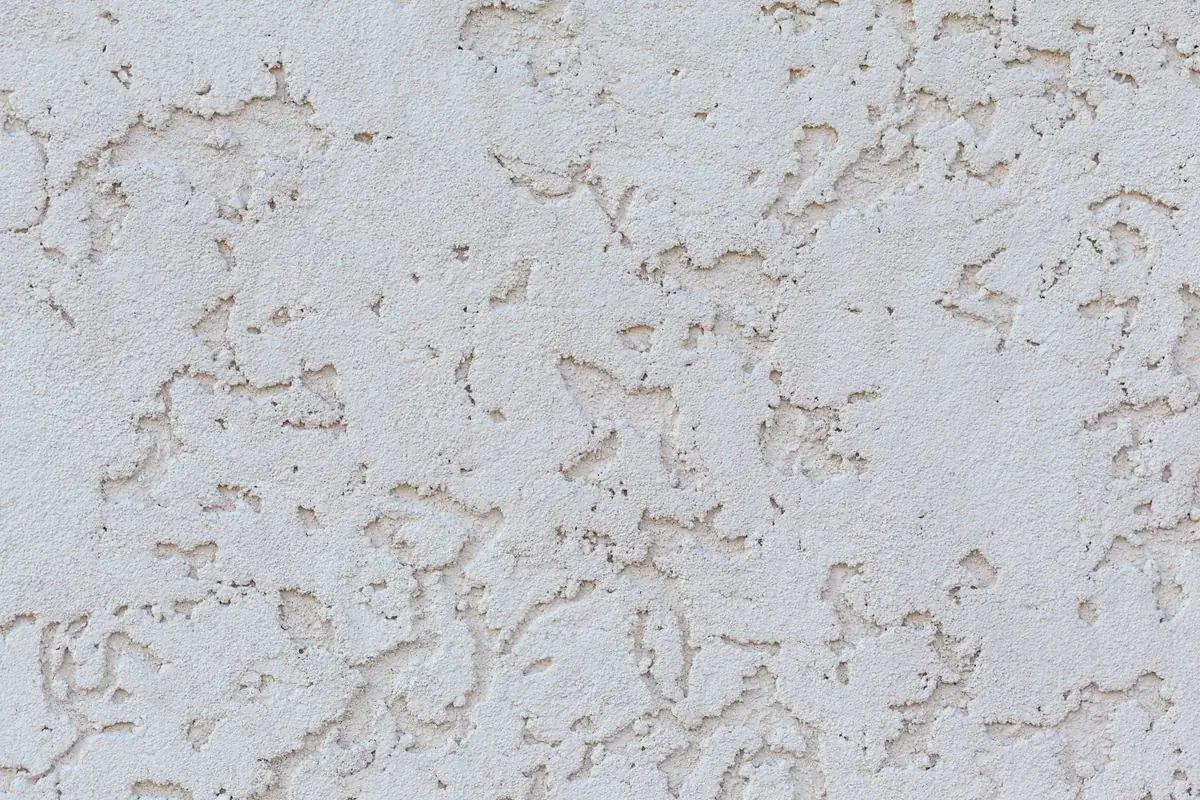
UV breaks down the binder that holds the pigment and aggregate particles in the stucco finish coat. As the binder degrades, the surface minerals separate and form a white powdery residue called chalk. Chalking shows up as a white film that transfers to your hand when you run it across the wall. The surface appears both faded (less saturated) and lighter (white chalk reducing perceived depth of color). Chalking is primarily cosmetic at first but indicates that the finish coat is degrading and will eventually need treatment.
When Does Fade Stop Being Cosmetic?
Most stucco color fade is purely cosmetic for the first 10 to 15 years. The structure underneath is fine. But there are signs that surface degradation is progressing toward a real problem:
- Uniform color fade across the wall surface
- Light chalking that wipes off with hand pressure
- Slight surface roughness or texture dulling
- Uneven fade between wall exposures
- Heavy chalking with visible erosion of the surface texture
- Pitting, cratering, or surface mineral loss
- Micro-cracking network (map cracking) across the faded section
- Color variation that reveals large patched areas from old repairs
- Any area where the brown coat is visible through the finish coat
Restoration Options: Matching the Fix to the Problem
A fog coat is a thin slurry of Portland cement, water, and pigment, applied by sprayer to the existing stucco surface. It penetrates the finish coat rather than building a film over it, restoring color saturation, sealing surface microcracks, and unifying the appearance of the wall. Because it uses Portland cement, it is chemically compatible with traditional stucco and breathable. A fog coat is the most common color restoration treatment in Tucson and typically lasts 8 to 12 years before the next application is needed.
An elastomeric coating is a high-build acrylic product applied in one or two thick coats over the existing stucco. It bridges surface microcracks, adds a flexible waterproofing membrane, and restores color. The trade-off is that it forms a film rather than penetrating, which reduces breathability. On a sound, well-drained wall, this is not a problem. On a wall with any history of moisture behind the stucco, it can trap vapor. Elastomeric coating is the right choice when you want waterproofing alongside color restoration and the wall has been confirmed structurally sound.
The most common scenario on Tucson homes over 20 years old is a combination of isolated damaged sections alongside general color fade. The right sequence is to perform all necessary patch repairs first, allow full cure, and then apply a fog coat over the entire wall. This produces a visually unified exterior and addresses both the structural and cosmetic issues in one mobilization. Trying to fog coat before patching means the patched sections will be visible through the coating as a different texture.
Color Matching After Fade: Managing Expectations
Restoring a stucco color to its original appearance is the most challenging part of any fog coat or recoat project. The original color formula is often unknown. Even if you have the original color code, a fog coat applied to aged, faded stucco will read slightly differently than the color looked on day one because the surface texture has changed. And color matching between a patched section and aged surrounding stucco requires a different formula than matching to the original.
The most reliable approach is to select a new color in the same family as the original and apply it whole-house, rather than trying to recreate the exact original shade on a patchwork of old and new surfaces. This gives you a fresh, consistent starting point and avoids the visible variation of trying to match an aged, UV-weathered color.
We bring color samples to the estimate visit and can apply test patches to help you visualize the result before committing. Free estimates include a color consultation for any fog coat or recoat project.
Common Questions
How often should I have my Tucson stucco recoated for color?
Can I just paint over my stucco to fix the color fade?
Is chalking stucco a problem beyond just appearance?
Get a Free Color Restoration Estimate in Tucson
We assess your stucco's condition, recommend the right color restoration approach, and bring samples to the estimate so you can see options before committing. Free, no obligation.
- Free color consultation included
- Fog coat, elastomeric, and patch options assessed
- Written quote before any work begins
- Licensed and insured in Arizona
- Serving Tucson, Oro Valley, Marana, and all of Pima County