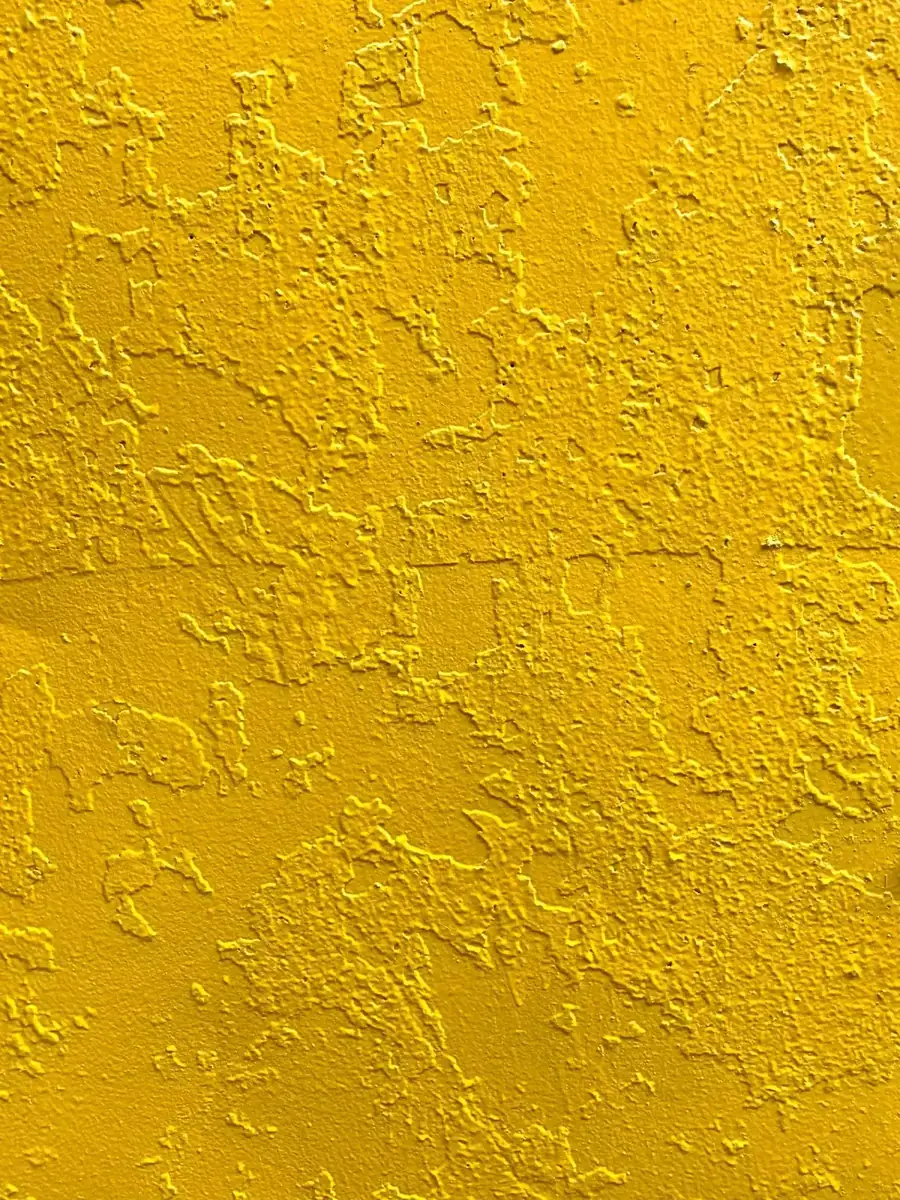
Exterior Color Matching and Stucco Coating in Tucson, AZ
Color matching is one of the most technically demanding parts of stucco repair. Get the texture wrong and the patch is visible from the street. Get the color wrong and it is worse than leaving the bare concrete exposed. In Tucson, both problems are harder than they look because the desert sun fades and shifts stucco color faster than almost anywhere else in the country. We handle color and texture matching on every repair we do, from a single patch to a full exterior refresh.
The services on this page cover fog coat, elastomeric paint, acrylic finish coat, stucco color repaint, texture matching by finish type, and full exterior color refresh. If you are dealing with a repair that needs to blend into the surrounding wall, or if the whole exterior has faded and you want it restored, you are in the right place.
Why Color Matching Is Hard in Tucson
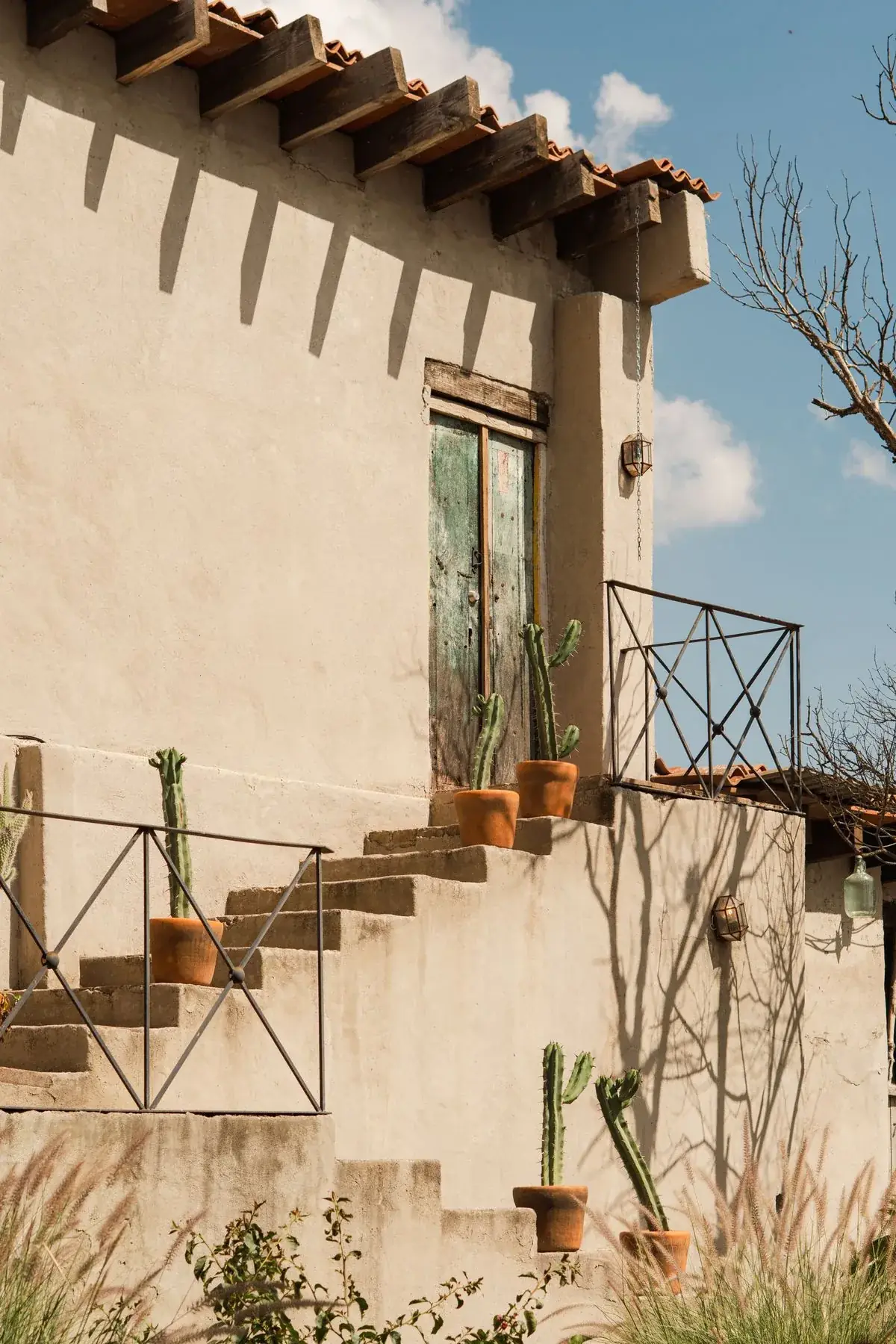
Tucson sits at roughly 2,400 feet elevation with UV index values that consistently rank among the highest in the lower 48 states. Stucco absorbs and holds that UV exposure day after day. A color coat applied ten years ago has almost certainly shifted significantly from its original shade. The first problem with color matching, then, is that you are not trying to match the original spec. You are trying to match whatever the surface looks like today, which varies depending on wall orientation, irrigation overspray, and shade patterns from trees or roof overhangs.
The second problem is that stucco is not a flat painted surface. It has texture, and that texture creates micro-shadows that change how the color reads under different light conditions. A patch that looks perfectly matched in morning shadow can read noticeably lighter at midday. Accurate matching means accounting for how the existing surface reads across different light conditions, not just at the moment of application.
Finally, Tucson's dry climate and the mineral content in local water supplies mean many exterior walls carry light efflorescence or mineral haze that has become part of the visual baseline. A fresh patch without that weathered character will stand out even if the pigment match is accurate. We address this by using a fog coat approach that allows the coating to take on the character of the surrounding surface more naturally than a standard acrylic paint patch would.
Fog Coat vs. Elastomeric Paint: Which Is Right for Your Wall?
Fog Coat
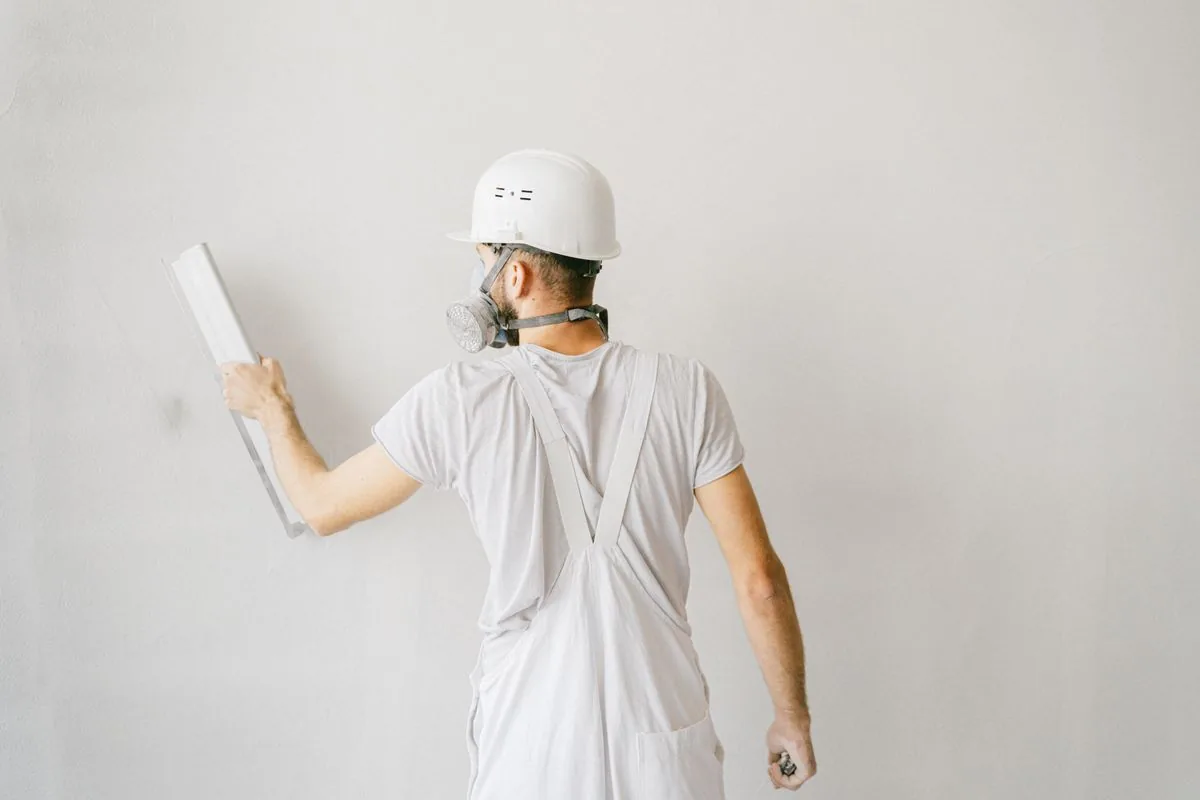
A fog coat is a Portland cement slurry tinted with pigment and applied over the existing stucco surface. The critical advantage is chemical bonding: cement bonds to cement. A fog coat does not sit on the surface as a separate film; it becomes part of the stucco assembly. It breathes with the wall, allowing vapor to move through without pressure building up behind. It does not peel, flake, or blister the way painted finishes can, particularly on walls that have any residual or seasonal moisture movement. For a standard Tucson home with structurally intact stucco that has faded or needs color restoration after a repair, a fog coat is usually the cleanest long-term solution. A fog coat on a typical Tucson single-family home runs $2,500 to $5,000 depending on square footage and surface prep.
Elastomeric Paint
Elastomeric paint is a thicker, more flexible coating than standard exterior paint or fog coat. Its defining property is elongation: it can stretch and contract with the wall through Tucson's daily temperature swings without cracking. More importantly, it bridges hairline surface cracks in the two to three millimeter range that a fog coat would not seal. If your stucco has surface cracking that is minor enough not to require cutting out and patching, but significant enough that you want it sealed before the next monsoon season, elastomeric paint can be the right approach. The tradeoff is that it is a film coating, not a cementitious bond, and it needs to be reapplied more frequently than a fog coat on stucco that is in good condition. An elastomeric repaint on a typical Tucson home runs $3,000 to $6,000 or more depending on surface prep and number of coats.
Acrylic Finish Coat
An acrylic finish coat is a polymer-modified stucco finish, thicker than a fog coat and closer in nature to the original finish coat on a modern stucco system. It is applied over the brown coat after a repair to re-establish the surface texture and color as a single material rather than a painted overlay. For repairs where the original finish coat has been fully removed or is incompatible with the repair area, an acrylic finish coat gives a more durable and visually integrated result than paint.
Texture Matching: The Other Half of the Problem
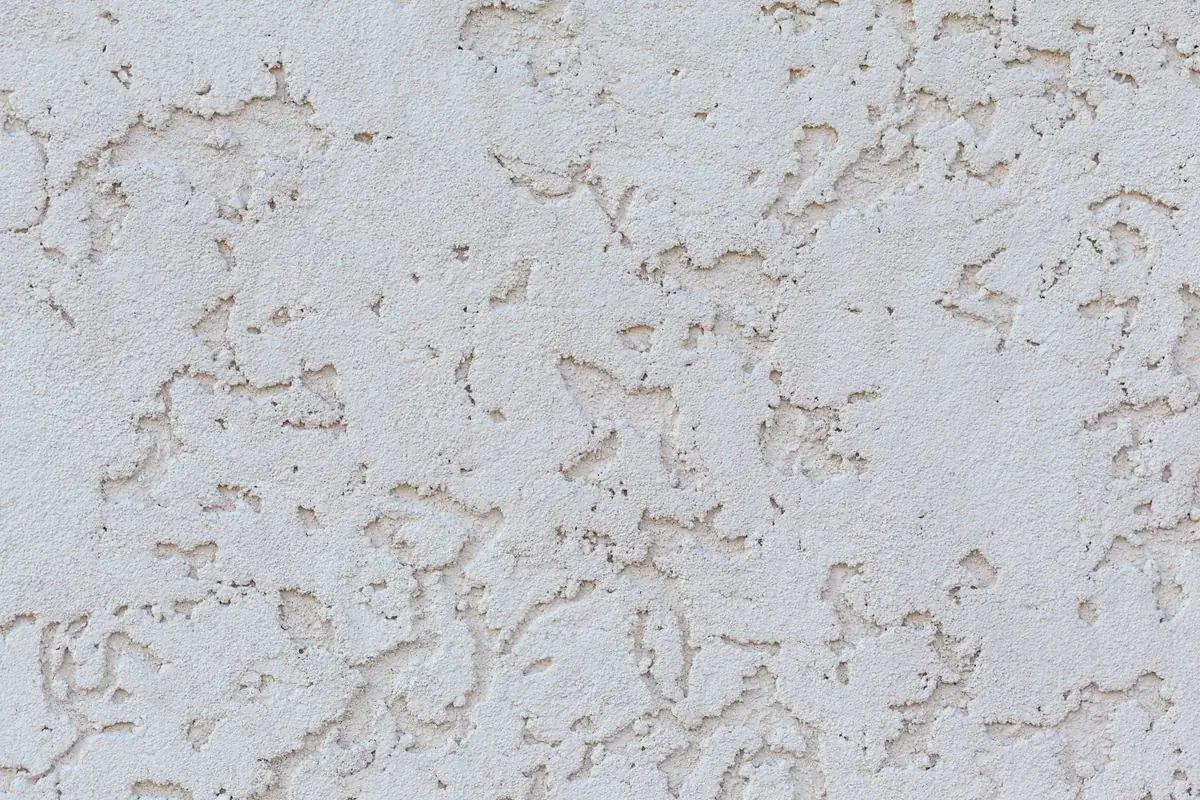
Even a perfect color match fails if the texture is wrong. A smooth finish patch on a sand finish wall, or a skip-trowel application on a dash finish, is immediately visible at any distance and in any light. Texture matching requires identifying the existing finish type accurately before touching the wall, then replicating it with the right tools and technique.
Tucson homes commonly carry these finish types, and each has specific matching requirements:
The most common finish on Tucson tract homes built from the 1970s through the 1990s. Applied with a sponge float or rubber float to produce a fine, consistent grain. Sand finish matching requires the right aggregate size in the mix and the correct float pressure during application.
A hand-applied texture where trowel strokes leave irregular flat patches with skip areas in between. Popular on custom and semi-custom homes in Tucson's northwest and east side developments. Matching skip-trowel requires replicating the trowel pressure, angle, and skip frequency of the original applicator, which varies from crew to crew.
Applied by throwing stucco mix against the wall with a brush or machine, creating a rough, pebbled surface. Common on older Tucson homes and commercial buildings. The aggregate size and projection method have to match the original to avoid a visible pattern difference.
A steel-troweled surface with minimal texture. Less common on residential in Tucson but found on commercial and on some contemporary custom homes. Smooth finish patches require careful troweling technique to avoid drag marks or ridges that reflect light differently than the surrounding wall.
An open, irregular pattern produced by applying thick stucco and pulling it with a trowel to create peaks and valleys. Sometimes called a Spanish lace finish. Lace matching is among the more difficult textures to replicate consistently across a patch boundary.
After-Repair Matching: The Most Common Request
The single most frequent color-related call we receive is from homeowners who had a stucco repair done and the patch is visible. Either the contractor did not attempt to match or did not have the skill to execute it. The patch stands out because the color is off, the texture is wrong, or both. This is fixable in most cases, but it is significantly easier to get right when the matching is done as part of the original repair rather than as a correction afterward.
Our process integrates color and texture matching into every repair from the start. Before we cut out anything or apply any material, we assess the existing texture type, mix color samples and compare them against multiple points on the surrounding wall, and confirm the approach. If the repair area is small relative to the wall face, we also discuss whether a fog coat over the full wall panel would produce a cleaner result than patch-matching alone. Sometimes it does, and the total cost is not significantly higher than the patch alone.
Color match on a single repair patch is included in the standard repair price. We do not charge separately for mixing to match on contained repair work.
Full Exterior Color Refresh for Tucson Homes
When the entire exterior has faded uniformly or you want to change the color entirely, a full color refresh brings the whole home back to a consistent, fresh appearance. You have three main options, each appropriate for different conditions:
| Coating Type | Best For | Typical Cost |
|---|---|---|
| Fog Coat | Structurally sound stucco, color restoration, breathable bond | $2,500 to $5,000 |
| Elastomeric Repaint | Surface cracking, flexible film bridge, easier re-application | $3,000 to $6,000+ |
| Acrylic Finish Coat | After re-stucco or full re-coat, replaces finish layer entirely | Quoted per job |
Tucson HOA Color Requirements
A significant number of Tucson neighborhoods operate under HOA covenants that restrict exterior color choices to a defined palette. This is especially common in master-planned communities in northwest Tucson, Marana, Oro Valley, and the Foothills area. The palettes are typically earth-toned and Sonoran Desert-inspired, which is well-suited to stucco finishes, but the approved shades vary community by community.
We work within HOA-approved color palettes. If you have your HOA documentation, bring the approved color list or reference codes and we will match the coating to a compliant shade. If your HOA requires a specific product type or specifies a manufacturer, let us know before your estimate and we will confirm compatibility with your existing stucco system. We have worked in communities throughout Pima County and are familiar with the major palette families in use across the metro area.
Service Area
We provide exterior stucco color matching and coating services throughout Tucson and Pima County, including Oro Valley, Marana, Sahuarita, and surrounding communities. Call to confirm coverage for your address if you are outside the immediate metro area.