Stucco Crack Repair in Tucson, AZ
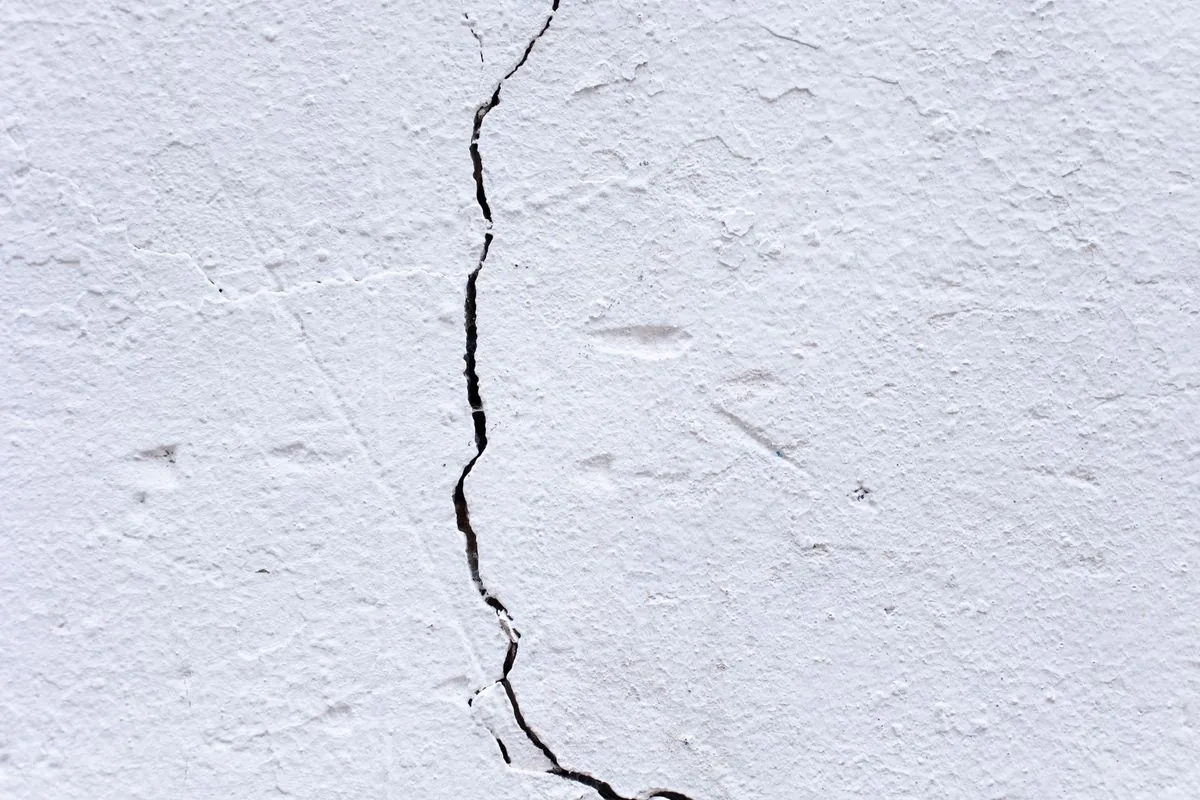
Hairline to structural cracks assessed, sealed, texture-matched, and color-sealed. We repair stucco cracks before Tucson monsoon season turns a cosmetic issue into a water damage problem.
Why Stucco Cracks in Tucson
Stucco on a Tucson home works harder than stucco almost anywhere else. The Sonoran Desert delivers daily temperature swings that can exceed 40 degrees Fahrenheit between pre-dawn and mid-afternoon. That thermal cycling causes stucco to expand in the heat and contract overnight, and the repetitive movement opens hairline cracks over time regardless of how well the original application was done.
The UV load here is among the highest in the continental United States. Prolonged UV exposure degrades the binder in stucco's finish coat, making the surface more brittle and more prone to cracking as the wall moves. Older homes with three-coat Portland cement stucco are especially susceptible because the finish coat becomes less flexible with age.
Then the monsoon arrives. After months of dry, baked-out conditions, heavy rain hits the wall and moisture penetrates any opening, no matter how small. Once water is behind the stucco layer, it migrates through the assembly, saturates the scratch and brown coat, can reach the wire lath and framing, and causes delamination from the inside out. A hairline crack that looked cosmetic in May becomes a water infiltration point by August. Catching and sealing cracks before monsoon season is the single most important maintenance task for a Tucson stucco home.
Types of Stucco Cracks and What They Mean
Not all stucco cracks are equal. Knowing what you are looking at helps you understand how urgent the repair is and what approach the repair requires.
Hairline Cracks (under 1/16 inch)
The most common type on Tucson homes. Hairline cracks are cosmetic in dry conditions but become water entry points during monsoon rain. They form in the finish coat and rarely indicate structural movement. Left unsealed, they widen over one to two seasons as thermal cycling works the edges. Repair involves cleaning the crack, applying an elastomeric caulk or acrylic filler depending on whether the crack is still active, and color-sealing the repaired zone to blend with the surrounding finish.
Larger Cracks (1/16 inch and wider)
Cracks at or above 1/16 inch width need more than surface filling. The crack must be opened and tapered with a grinder or oscillating tool to create a proper void for the filler to bond into. A V-groove profile provides surface area for the repair material to grip. These cracks are more likely to have allowed water penetration already, so the underlying scratch coat and lath should be checked for rust, rot, or delamination before patching. Repair cost ranges from $400 to $900 per location depending on length, access, and whether substrate work is needed.
Shrinkage Cracks
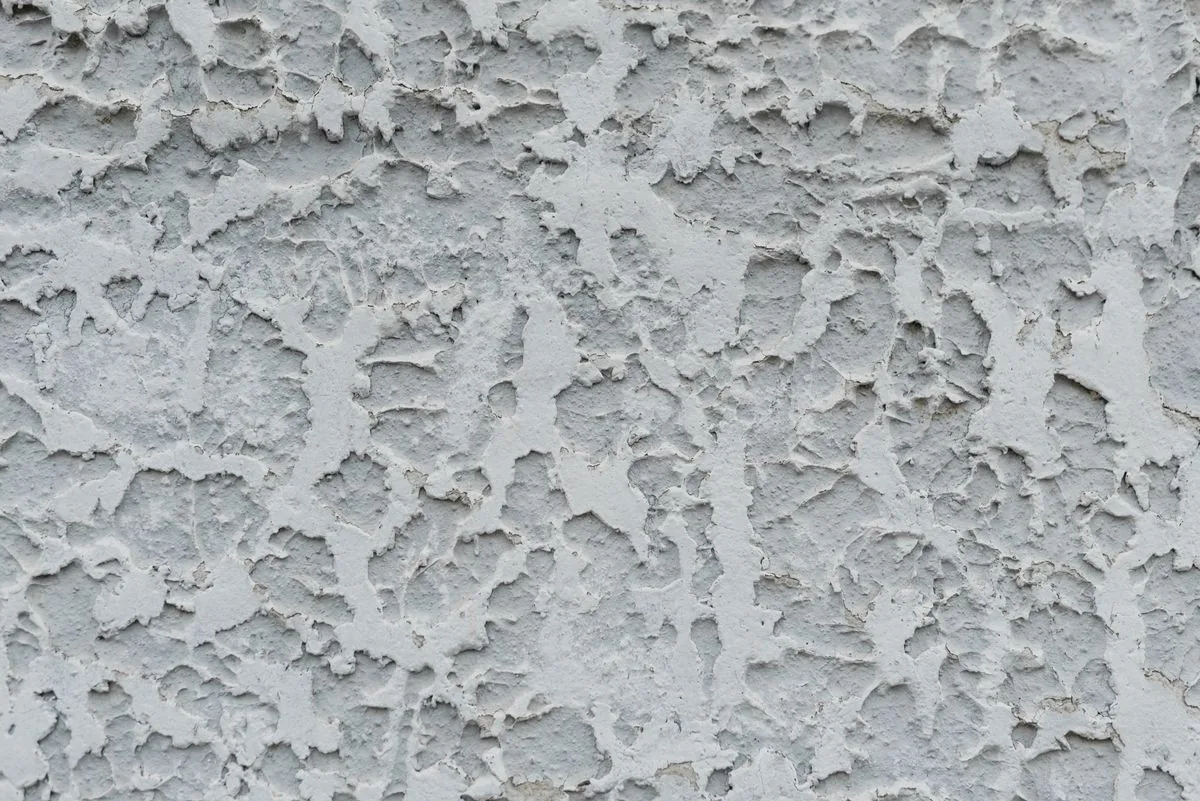
Map or pattern cracking across a large area of the wall is typically shrinkage cracking that occurred during the original application or shortly after. It happens when stucco dries too fast, which in Tucson's summer heat is a real risk on south and west-facing walls. Shrinkage cracking is usually superficial but creates thousands of small water entry paths. A fog coat or elastomeric paint over the entire section often addresses shrinkage cracking more effectively and economically than filling each individual crack.
Horizontal and Step Cracks
Horizontal cracks running across a wall at consistent elevation, and step cracks diagonal from corners of windows or doors, can indicate foundation movement or structural settling rather than simple thermal cycling. These crack types warrant a careful look before filling. If the crack is actively widening or has shifted, or if there is corresponding interior damage, we recommend a structural engineer review before cosmetic repair. Filling over an active structural crack without addressing the cause is a short-term fix that will fail within a season.
Why Acting Fast Matters in Tucson
The window between noticing a crack and the next monsoon season is the time to act. Tucson monsoon season runs from June 15 through September 30. Rainfall during that period is not gentle, it arrives in intense bursts, often with wind. Wind-driven rain enters wall cracks at angles that gravity-fed rain never would.
Once water gets behind the stucco assembly, it does not exit quickly. The stucco system is relatively vapor-impermeable on the outside, which means moisture that enters through a crack tends to stay in the wall rather than escape. In the cavity between the stucco and the framing, it saturates wood, promotes mold, and accelerates corrosion on metal lath. The visible sign of this, staining, bubbling, or delamination, typically appears months after the water first entered.
Crack repairs done before monsoon season cost a fraction of what delamination remediation or substrate replacement costs later. October through May is the ideal repair window for Tucson. Cooler temperatures, lower humidity, and the absence of monsoon risk give repair materials the best conditions to cure correctly.
Our Stucco Crack Repair Process
Every crack repair starts with a visual and tactile assessment. We tap the stucco around the crack to detect hollow areas and check for any signs of moisture behind the wall before touching it. The repair approach depends on what we find.
- 01Clean the crack
Loose stucco, dust, and debris are removed from the crack face. Any friable material around the edges is cut back to solid stucco. A clean bonding surface is essential for any filler to hold long-term.
- 02Open and taper if needed
Cracks at or above 1/16 inch are opened with a grinder or oscillating multi-tool to create a V-groove profile. This gives the filler adequate volume to bond into and prevents the repair from popping out when the wall moves thermally.
- 03Select the right filler
Active or moving cracks get elastomeric polyurethane or acrylic caulk, which remains flexible after cure. Stable, inactive cracks get a stucco patching compound or acrylic-modified mortar matched to the existing mix. Using the wrong product for a crack type is the most common cause of repeat failures.
- 04Apply and texture-match
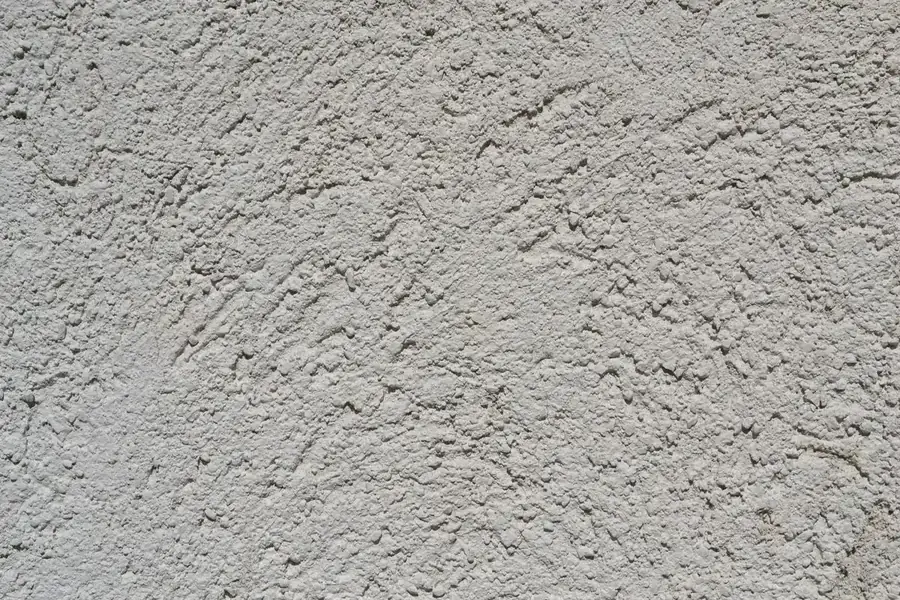
The filler is applied in lifts if the crack is deep, allowed to cure between coats, and finished to replicate the surrounding texture. Common Tucson finishes include sand finish, smooth finish, and skip trowel. We work to match the existing wall, not just close the crack.
- 05Color seal
A color-matched elastomeric sealant or fog coat is applied over the repaired area to blend the patch with the surrounding wall. On older stucco where the color has shifted, we work across a larger section to avoid a visible repair line.
Stucco Crack Repair Pricing in Tucson
Repair cost depends primarily on crack width and length, access difficulty, and whether the substrate shows signs of water damage. The following ranges reflect typical jobs in Tucson. A free written estimate is the only accurate way to price your specific situation.
Single hairline cracks up to several feet in length on accessible walls. Surface fill, texture, and color seal.
Cracks 1/16 inch or wider requiring V-groove opening, elastomeric fill, and texture matching. Per-location pricing.
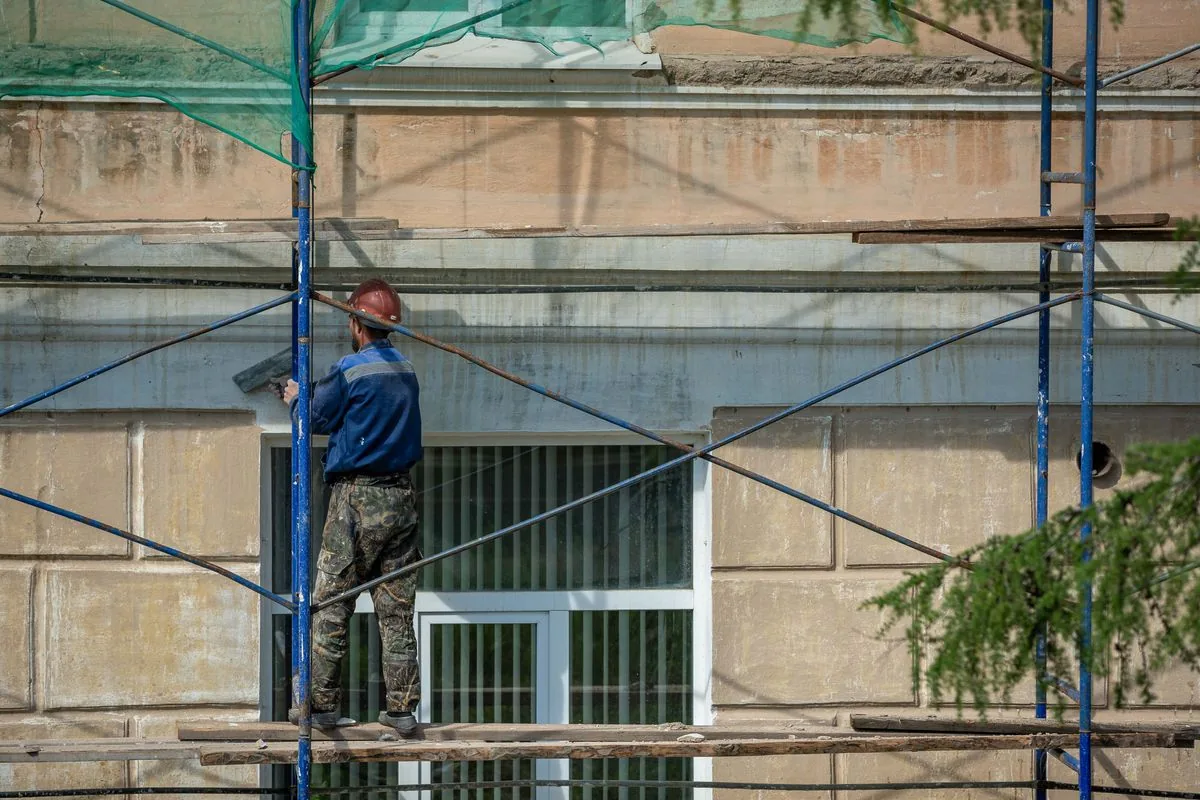
Upper-story walls or areas requiring scaffolding or ladder setup add to per-location pricing.
Water-damaged lath, rot in framing, or full-section delamination is scoped and quoted separately after assessment.
We provide free written estimates for all crack repair work in Tucson and Pima County. The estimate includes a scope of work, materials breakdown, and timeline. No commitment required.
When to Be Concerned About Stucco Cracks
- Horizontal cracks running across a wall at a consistent height: these can indicate foundation or structural movement and warrant investigation before cosmetic repair.
- Step cracks diagonal from window or door corners: common sign of differential settling. Monitor whether the crack is actively widening.
- Cracks wider than 1/4 inch: large openings suggest significant movement or substrate failure rather than routine thermal cycling.
- Cracks accompanied by interior staining or drywall damage: water has already entered the wall assembly and moisture remediation may be needed.
- Hollow-sounding stucco around a crack: tap the wall around the damaged area. A dull hollow sound means the stucco has delaminated from the substrate and the affected section needs replacement rather than patching.
Service Area for Stucco Crack Repair
We handle stucco crack repair throughout Tucson and the surrounding Pima County communities. Whether your property is in central Tucson, the Catalina Foothills, or further out in the Sahuarita or Green Valley corridor, we can get to it.
Cracks showing up after monsoon season?
Fall is the best window for crack repairs in Tucson. Cooler temps, lower humidity, and no active rain. We offer free written estimates with no obligation.
- Hairline crack sealing
- Structural crack assessment
- Elastomeric caulk for active cracks
- Patching compound for stable cracks
- V-groove preparation
- Texture matching (sand, skip trowel, smooth)
- Color seal and fog coat
- Shrinkage crack treatment
- Pre-monsoon inspection
- Free written estimates
- Hairline crack repair$150 to $400
- Larger cracks (1/16" +)$400 to $900
- Difficult access+$150 to $300
- Substrate damageQuoted on site
Stucco Crack Repair Tucson AZ: Frequently Asked Questions
How much does stucco crack repair cost in Tucson AZ?
Are horizontal cracks in stucco serious?
Why does Tucson stucco crack more than other cities?
What is the difference between elastomeric caulk and patching compound for cracks?
Can stucco cracks let in water during a monsoon?
Get a Free Crack Repair Estimate in Tucson
Serving Tucson, Oro Valley, Marana, Sahuarita, and Green Valley. Written estimate, no obligation, response within one business day.