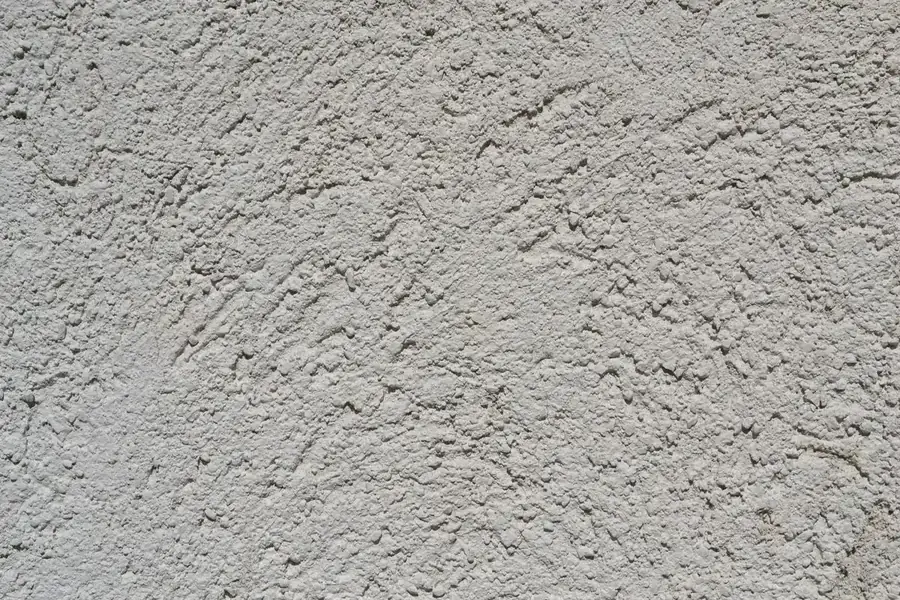
Traditional Portland cement stucco applied correctly on a Tucson home should last 50 to 80 years before requiring full replacement. That is a longer service life than most roofing materials, most wood siding products, and most composite cladding systems. However, that number assumes reasonable maintenance. Stucco that is ignored through several monsoon seasons, or that had installation problems to begin with, can fail in 15 to 20 years.
Understanding what determines stucco lifespan in Tucson helps you make better decisions about when to repair, when to recoat, and when a full re-stucco is worth the investment.
What the Desert Actually Does to Stucco
Three factors in Tucson's environment put stucco under stress that does not exist in temperate climates:
Tucson's temperature swing between early morning and mid-afternoon is one of the largest of any major US city, averaging 30 to 45 degrees Fahrenheit year-round and exceeding 50 degrees on some spring days. Stucco expands when warm and contracts when cool. Every day, it does this cycle thousands of times over a lifetime. Portland cement is relatively rigid, so this movement creates micro-cracks in the finish coat. In temperate climates, this process takes decades to produce visible cracks. In Tucson, thermal cracking can appear within 5 to 10 years on new stucco without a flexible finish coat or expansion joints.
The Sonoran Desert receives among the highest annual UV radiation totals in North America. UV breaks down the binder in stucco's finish coat faster than in any other US climate zone. This causes surface chalking (a white powdery surface residue) and color fade. The structural stucco underneath is not affected by UV, but the finish coat that provides color uniformity and a degree of surface waterproofing degrades meaningfully every 10 to 12 years in Tucson without maintenance.
Tucson receives an average of 12 inches of rainfall per year, but most of it falls in intense, short-duration monsoon storms from July through September. These storms drive water horizontally at cracks and wall penetrations in a way that steady vertical rain never would. Cracks that are not sealed before monsoon season become water infiltration points. That water migrates behind the stucco, reaches the metal lath, and begins the corrosion process that eventually leads to delamination.
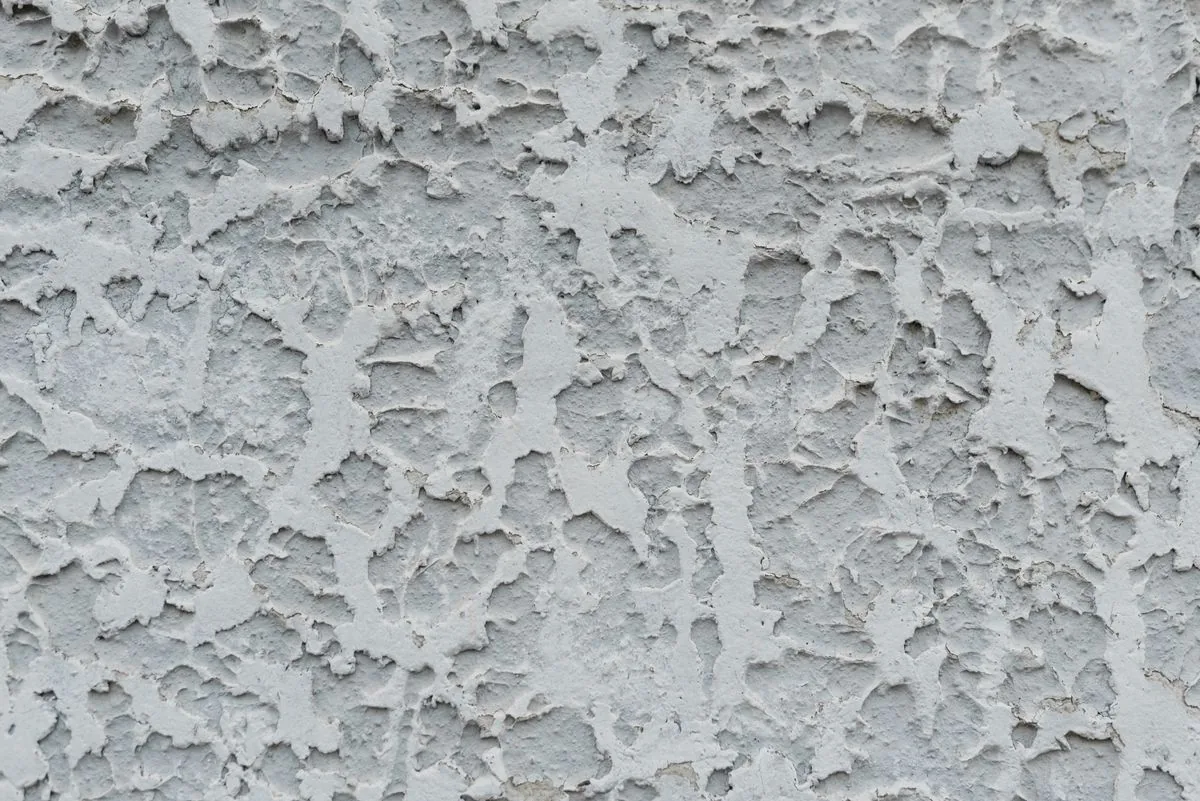
Stucco Lifespan by Maintenance Level
The gap between well-maintained and neglected stucco is not marginal. It is the difference between a system that lasts 60 years and one that needs a full re-exterior in 20.
| Maintenance Level | What It Looks Like | Expected Lifespan |
|---|---|---|
| Well Maintained | Annual inspection, cracks sealed promptly, fog coat or elastomeric recoat every 10-15 years | 60 to 80+ years |
| Moderate Maintenance | Cracks addressed when noticed (every few years), occasional painting but no elastomeric recoat | 40 to 60 years |
| Minimal Maintenance | Cracks ignored until visible; no recoating; repairs only when damage is obvious | 20 to 35 years |
| Neglected | No crack sealing; monsoon water infiltration; delamination left to progress | 15 to 20 years |
The Maintenance Schedule That Maximizes Stucco Lifespan
Walk all exterior walls in April or May. Look for new cracks, tap-test suspicious areas, check all window and door perimeter caulk, inspect utility penetrations. Any crack over 1/16 inch wide gets elastomeric sealant before July.
The elastomeric sealant around windows, doors, and utility penetrations shrinks and hardens over time. Every 5 to 7 years it should be cut out and replaced with fresh sealant. This single maintenance step prevents most of the water infiltration events that lead to delamination.
A fog coat (thin Portland cement slurry) restores surface color uniformity and fills surface microcracks. An elastomeric coating goes further, adding a flexible waterproofing membrane over the existing stucco surface. Either treatment significantly extends the life of the finish coat and prevents UV-related degradation from progressing to the structural layers.
Cracks wider than 1/8 inch, delaminated sections, and areas with visible water damage should be repaired by a professional as soon as they are identified. Deferred repair of active damage is the single biggest cause of premature full re-stucco requirements.
Common Questions
Does stucco last longer in Arizona than in other climates?
What is the stucco maintenance schedule for a Tucson home?
When does stucco need to be completely replaced vs repaired?
Get a Free Stucco Inspection in Tucson
We assess your stucco's current condition, identify any active problems, and give you a plain-language recommendation on whether repair, recoat, or replacement makes sense for your home.
- Honest lifespan assessment included
- Written quote before any work begins
- No pressure, no obligation
- Licensed and insured in Arizona
- Serving Tucson and all of Pima County