Monsoon Season Stucco Damage in Tucson: What to Watch For
Tucson's monsoon season runs June 15 through September 30. Those 107 days are the single biggest annual threat to the integrity of stucco on Tucson homes, and the damage they cause often does not show up until October when the rains stop.
The Tucson monsoon is not like summer rain elsewhere. After months of bone-dry desert air, the storm season arrives abruptly and hits hard. A single storm can deliver one to three inches of rain in under an hour, with sustained wind that drives water horizontally against every wall face on your house. That combination of intensity, wind, and the sudden shift from extreme drought to saturation is exactly what stucco is least equipped to handle without some attention.
Stucco that has spent the winter and spring baking in UV radiation enters monsoon season in its most brittle state. Any existing hairline cracks that looked cosmetic in April become open channels for wind-driven rain in July. Water that gets behind the stucco layer does not have a clear exit path. It works through the wall assembly, saturates wood framing, promotes mold growth, and corrodes metal lath over the following months. By the time an interior water stain appears on a bedroom wall, the damage in the assembly has often been building for an entire monsoon season.
What Monsoon Conditions Do to Stucco
Four specific characteristics of the Tucson monsoon create stucco stress that does not occur during winter or spring weather:
Tucson monsoon storms regularly deliver one to three inches in 45 to 90 minutes. This intensity overwhelms normal drainage and creates sheet flow across wall surfaces that finds every crack, gap, and unsealed penetration. The volume of water per hour during an active storm is many times higher than any gentle desert rainstorm.
Tucson's pre-monsoon months (March through mid-June) are some of the driest in the continental United States. Stucco that has been desiccated by months of low humidity then absorbs monsoon moisture unevenly and rapidly. This differential absorption stresses the binder within the stucco mix and accelerates micro-cracking in the finish coat.
When a monsoon outflow boundary hits, the temperature can fall 20 to 30 degrees Fahrenheit within minutes. A wall that was 140 degrees on the south face an hour before the storm suddenly contracts rapidly as the temperature collapses. That sudden thermal shock opens existing cracks wider and, in older stucco, can crack sections that had been holding together under normal daily cycling.
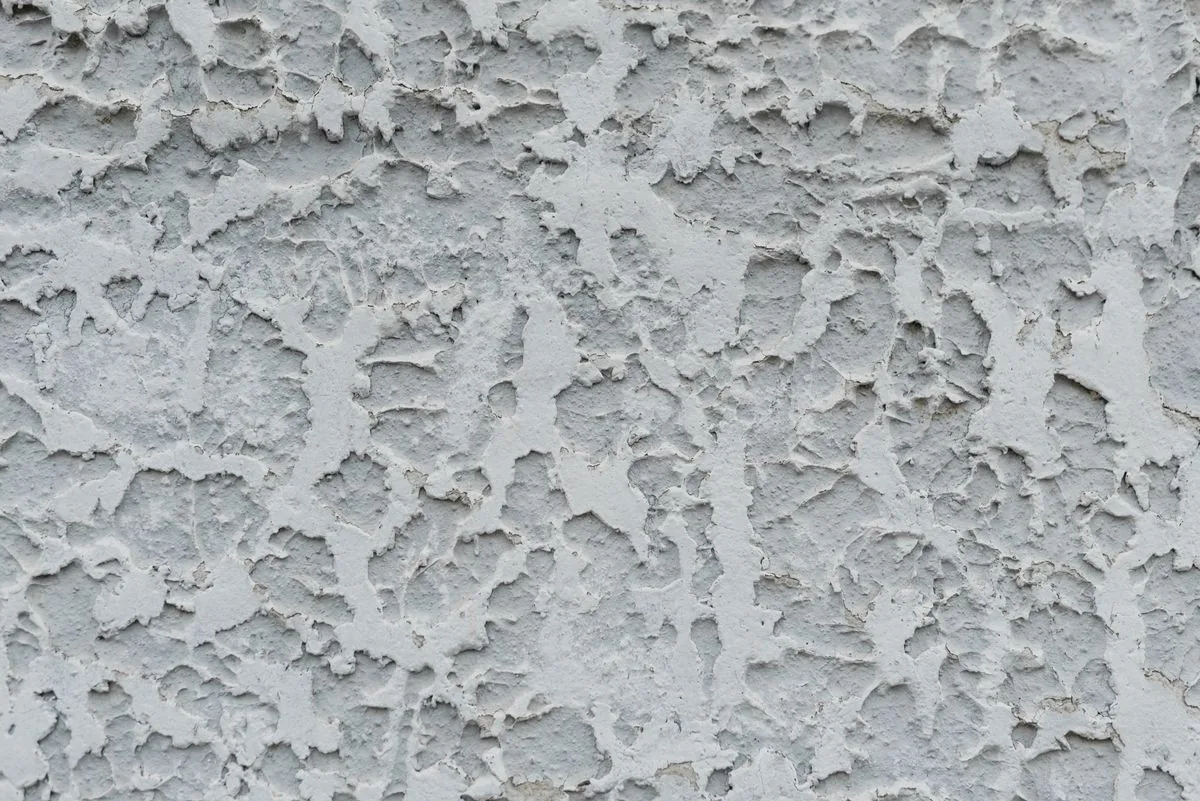
Monsoon outflow winds drive rain near-horizontally at times. North-facing walls that never see direct rain during normal weather get saturated. West-facing walls take wind-driven rain from unusual angles. Cracks that shed vertical rain under gravity completely fail under horizontal wind-driven rain, which enters at angles that the stucco's slight water-shedding geometry does not address.
What Damage to Look For After Monsoon Season
September and October are the right time to walk your home's perimeter and look for what the monsoon left behind. The season has ended, the walls have had a chance to partially dry, and you still have the cool-weather repair window ahead. Here are the five damage types that matter most:
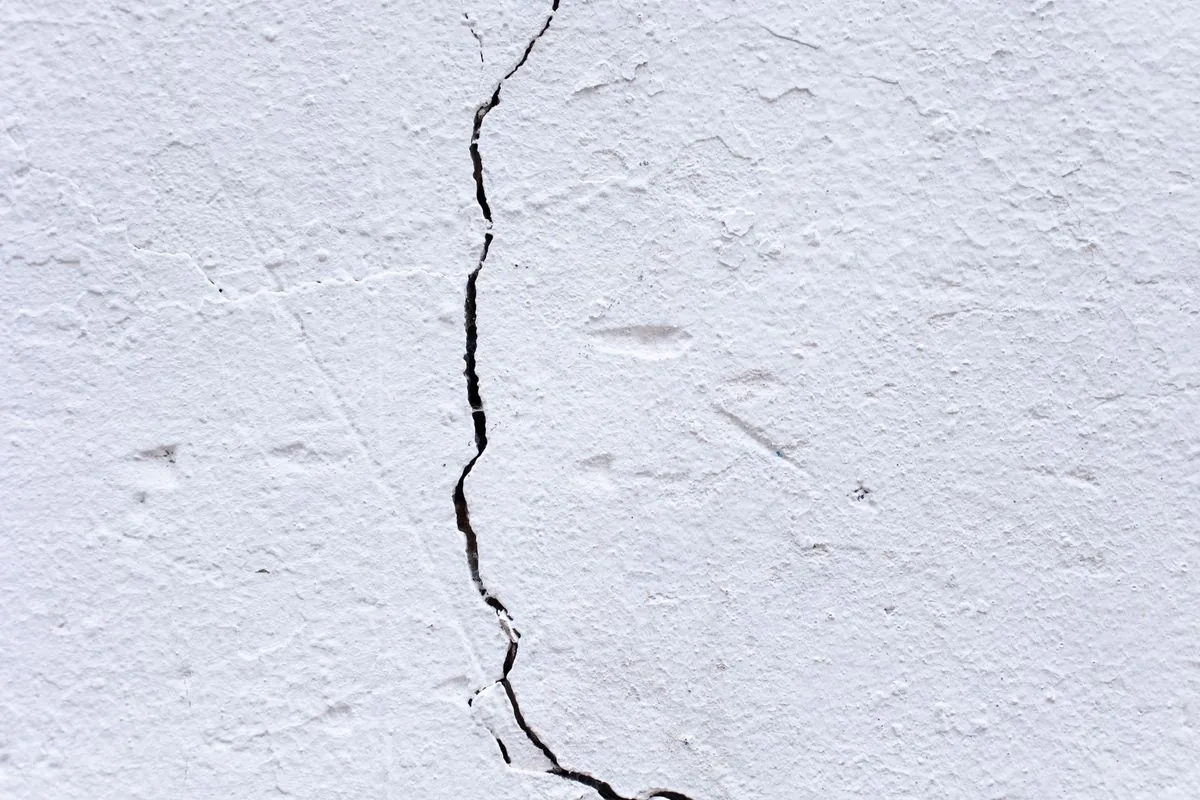
Walk the perimeter in October and compare what you see to the wall condition you observed before monsoon. Any crack wider than 1/4 inch that appeared during the season warrants repair before the next monsoon. Hairline cracks that are new should be sealed before June 15 the following year. Mark new cracks with a small piece of tape at each end so you can monitor whether they are still growing.
Dark vertical streaking or staining on stucco walls indicates water has been tracking down the surface, which means it has a consistent entry point above the stained area. Common entry points above staining include parapet wall caps, roof-to-wall transitions, window head flashings, and penetrations. The staining itself is not the problem; what is above it is. Trace the source before the next monsoon.
Tap the stucco across any area that looks discolored or blistered. A clear, solid knock means good adhesion. A dull thud or hollow drum sound means the stucco has separated from the underlying substrate. Delaminated sections are structurally unstable and will fall off in pieces. They trap moisture behind them and accelerate rot or lath corrosion. Delaminated sections require replacement, not patching over.
White, powdery, or crusty deposits on the stucco surface are dissolved salts carried out by water moving through the wall. Efflorescence that appears after monsoon season and was not present before indicates a new or worsening water infiltration path. The salts can be brushed away but will return unless the moisture source is sealed. New efflorescence at the base of a wall often points to water entering at grade; efflorescence below windows points to compromised window sealant or flashing.
The joint where stucco meets a window or door frame is one of the most common failure points on Tucson homes. Caulk that was adequate for normal rain becomes inadequate for wind-driven monsoon rain. Check every window and door surround for gaps in the sealant, stucco that has pulled away from the frame, or any discoloration inside the room at the frame corners. Re-caulking and sealing these transitions is one of the highest-return pre-monsoon tasks every year.
Urgency Level Summary
- Water actively entering living space or appearing on interior walls or ceiling
- Large sections of stucco falling off or visibly separating from the wall
- Hollow-sounding sections over 12 inches in any direction (delamination)
- New cracks that are 1/4 inch wide or wider that appeared after monsoon
- Water staining or dark tracking on the exterior wall surface
- Failed caulk at window or door surrounds discovered in October inspection
- Hairline surface cracks that were present before monsoon and have not widened
- Light efflorescence at the wall base that appeared for the first time this season
- Minor discoloration without any associated crack or soft section
Pre-Monsoon Preparation: April and May
The best time to prevent monsoon stucco damage is before the first storm of the season arrives. April and May give you a repair window with good conditions: mild temperatures, low humidity, and 6 to 10 weeks before June 15. Work done in this window has time to cure fully before the rains hit.
Walk the full perimeter and identify any cracks wider than a hairline. Seal them with elastomeric caulk before June. A $200 crack seal job in May prevents a $1,500 substrate repair in September.
Re-caulk any joint where the sealant is pulling away from the frame or has cracked. This is the highest-frequency failure point for monsoon water entry on Tucson homes.
Hose bibs, electrical conduit entries, dryer vents, AC line sets, and any other pipe or conduit that penetrates the stucco should have fresh backer rod and caulk before monsoon season.
Parapet caps and roof-to-wall flashings are common water entry points during monsoon. If the cap is cracked or the flashing is lifting, address it before the rains arrive.
Post-Monsoon Inspection Checklist (October)
Do this walk in early October once the season has ended. Allow the walls a few weeks to dry from the last storm before the inspection so delamination and hollow sections are easier to detect by tapping.
- 01
Run your hand along all stucco walls and feel for sections that flex or give under light pressure
- 02
Tap the wall with your knuckles every few feet across problem areas and listen for a hollow sound indicating delamination
- 03
Inspect the full perimeter of every window and door surround for cracks, gap openings, or soft caulk that has separated
- 04
Look for dark vertical streaking or staining below parapet walls, at roof-to-wall transitions, and under weep screed
- 05
Check the base of all exterior walls at grade level for efflorescence (white chalky deposits) or discoloration
- 06
Inspect any wall penetrations: hose bibs, electrical conduit entries, AC line sets, dryer vents
- 07
Look at the stucco on east and north-facing walls, which often show different patterns than sun-baked south and west walls
- 08
Check below exterior light fixtures and outlet boxes where water can pool on a horizontal caulk surface
- 09
Note any areas where the stucco surface looks blistered or raised from the wall
- 10
Check the attic space on interior walls adjacent to exterior stucco for any staining or moisture evidence
Long-Term Planning: Re-Coat Before Season 10
A typical three-coat stucco application on a Tucson home has an effective service life of 15 to 25 years before the finish coat's elasticity degrades enough that annual crack repairs become less cost-effective than a full re-coat. The monsoon season accelerates this degradation on south and west-facing walls that take both UV load and storm saturation year after year.
As a rule of thumb: if your stucco is approaching its tenth monsoon season and you are seeing new cracks every October, scheduling a full re-coat or elastomeric re-coat before that cycle is typically more economical than ongoing annual patch repairs. An elastomeric coating applied over sound existing stucco can extend the service life by 10 to 15 years and provides substantially better water resistance during monsoon than the original finish coat.
A full re-stucco (scratch, brown, and finish) is warranted when the substrate shows widespread moisture damage, the existing finish coat has lost adhesion over large sections, or the original installation did not include a proper moisture barrier. This is a larger investment but produces a system that will perform through another full cycle of Tucson monsoon seasons.
Monsoon Stucco Damage Tucson: Frequently Asked Questions
How soon after a monsoon storm should I inspect my stucco?
What is efflorescence and should I be worried about it?
Can a hairline crack in stucco let in enough water to cause real damage during monsoon?
What is the best time of year to repair monsoon stucco damage in Tucson?
Monsoon Left Cracks or Water Damage?
October through April is the ideal repair window in Tucson. Free written estimates, no obligation. We serve Tucson, Oro Valley, Marana, Sahuarita, and Green Valley.