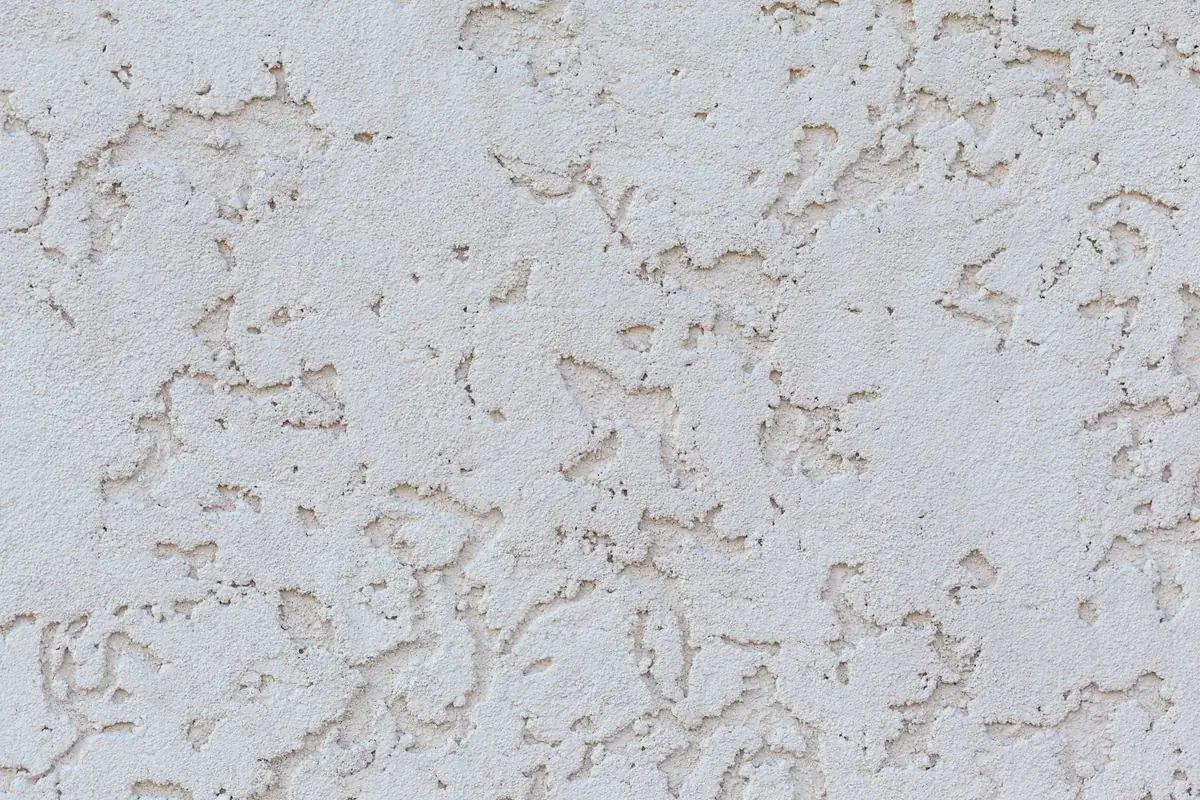
EIFS / Synthetic Stucco Repair in Tucson, AZ
Foam board replacement, mesh re-embedding, and finish coat matching for EIFS systems on Tucson residential and commercial buildings. Free estimates across Pima County.
What Is EIFS and Why Is It on So Many Tucson Buildings?
EIFS stands for Exterior Insulation and Finish System. It is a multi-layer cladding system built up from the outside of a building's structural substrate. The assembly starts with a layer of expanded polystyrene (EPS) foam board adhered or mechanically fastened to the wall sheathing. Over the foam, installers trowel a polymer-modified base coat and embed a fiberglass reinforcing mesh into the wet material. Once the base coat cures, a finish coat of acrylic texture is applied over the surface to give the exterior its final appearance and color.
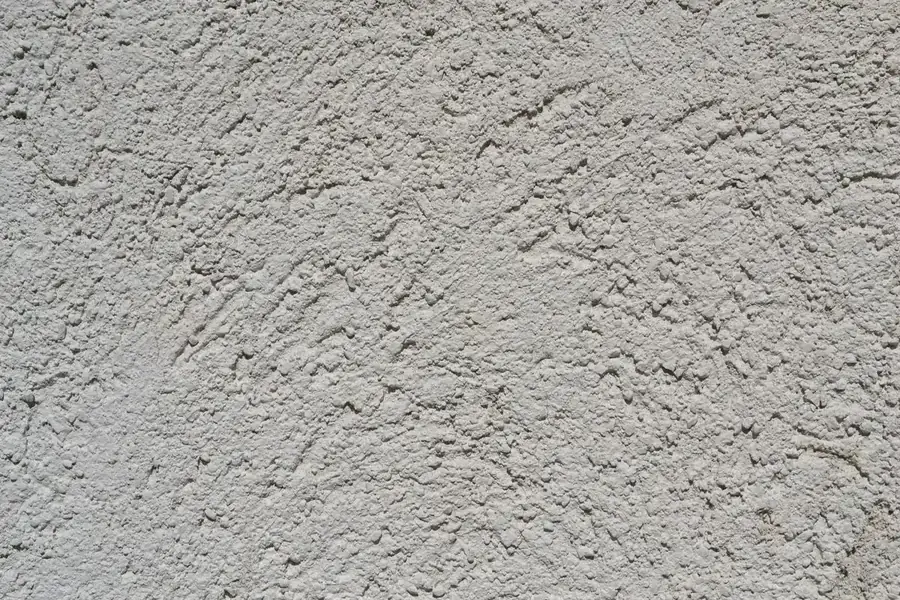
The result looks almost identical to traditional stucco from the street, which is why EIFS is sometimes called synthetic stucco. The key practical difference is the foam insulation layer: EIFS adds meaningful thermal resistance to a wall assembly, which made it an attractive choice for commercial and residential construction from the 1980s through the early 2000s.
In Tucson, EIFS was installed heavily on commercial buildings during the 1990s commercial boom, including strip malls along the Grant Road, Speedway, and Oracle Road corridors, and on mid-sized office buildings throughout the midtown and north side. Residential EIFS is less common in Tucson than in the Southeast, but it does appear on custom homes and high-end residential construction from that era. Many of those buildings are now 20 to 35 years old and showing age.
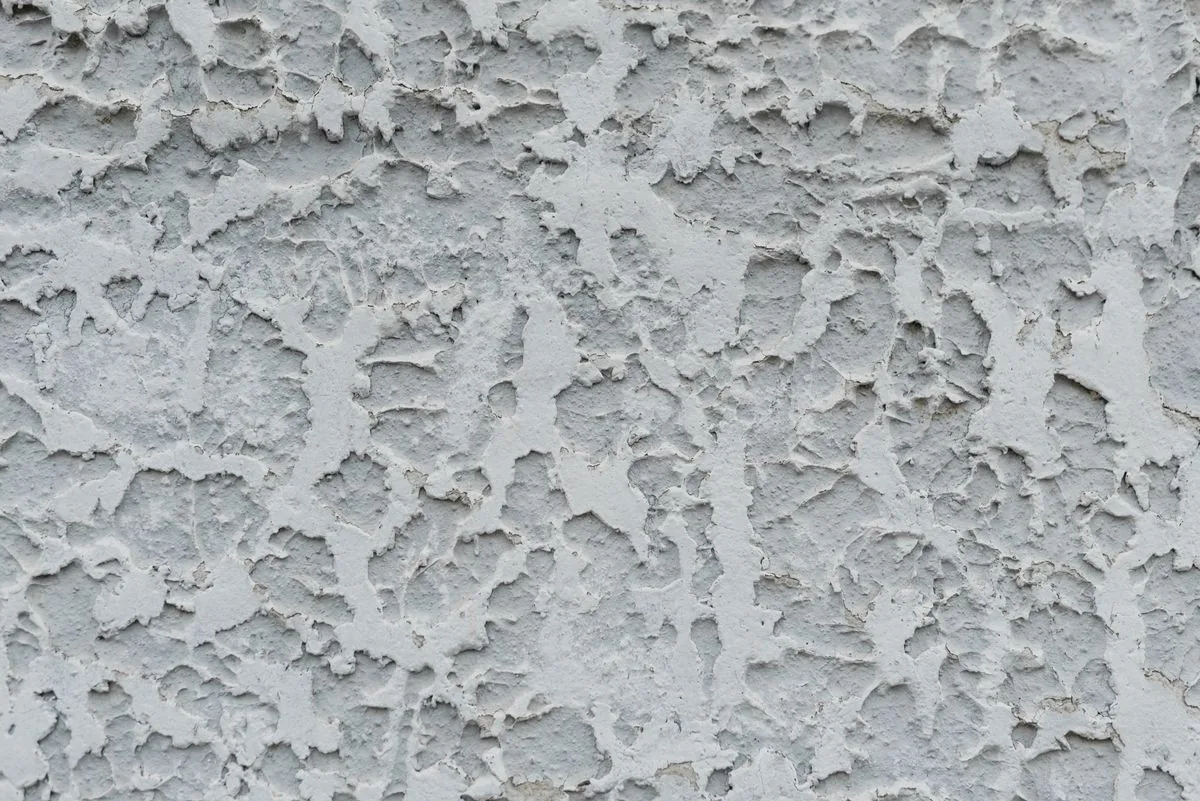
EIFS vs Traditional Stucco: What the Difference Means for Repairs
The most important practical difference between EIFS and traditional three-coat stucco is hardness. Traditional stucco is a cementitious product applied over metal lath or directly onto masonry. It cures into a rigid, stone-like surface. EIFS has a thin acrylic finish coat over a polymer base coat over foam, which means the surface has give. You can dent EIFS with a key. Traditional stucco will not yield at all.
That softness matters for two reasons. First, EIFS is more vulnerable to impact damage from everyday sources: weed trimmers, ladder feet, hail, and vehicles. Those impacts are cosmetic nuisances on traditional stucco but create water-entry points on EIFS. Second, EIFS is less tolerant of water infiltration. Traditional stucco over masonry can get wet and dry out repeatedly without major consequence. EIFS with a compromised finish coat allows water to saturate the foam board, which holds moisture against the substrate rather than drying quickly.
EIFS is also lighter than traditional stucco, which reduces structural load, and it provides better insulation value, which benefits energy efficiency. Those are genuine advantages. The trade-off is that EIFS requires more vigilant maintenance of sealants at all penetrations, because a compromised seal allows water in, and once in, it has nowhere easy to drain or dry.
- Rigid, cementitious surface
- Impact-resistant, no denting
- Dries out after moisture exposure
- No foam insulation layer
- Requires matching texture on repairs
- Soft surface, dents under pressure
- Foam board holds moisture when breached
- Better insulation value
- Lighter weight than cement stucco
- Sealant maintenance critical at all joints
Why EIFS Fails in Tucson's Climate
Tucson's desert climate creates a specific set of stressors for EIFS systems. Intense UV radiation degrades the acrylic finish coat faster than in moderate climates. Temperature swings between the cold of a January night and the heat of a July afternoon put constant expansion and contraction stress on sealants at windows, doors, and penetrations. Monsoon rain arrives fast and heavy, exploiting any gap in the building envelope. The most common failure modes we see on Tucson-area EIFS buildings are:
Windows, doors, electrical boxes, and pipe penetrations are the most common failure points. The EIFS system cannot flex at hard transitions, and Tucson's temperature swings open cracks at these joints over time.
The acrylic finish coat fades and chalks under Tucson's intense UV exposure. Once the finish coat loses its integrity, moisture can enter and begin saturating the foam board beneath.
Where EIFS meets a different cladding material, flashing, or roof line, sealants age and fail. Water enters at these transitions and migrates down inside the wall assembly.
EPS foam absorbs moisture when water infiltrates through failed sealants or cracks. Saturated foam loses its insulating value and can lead to mold growth behind the wall system.
EIFS is significantly softer than traditional stucco. Weed trimmers, ladders, vehicles, and hail all leave visible dents and punctures that require patching to prevent water intrusion.
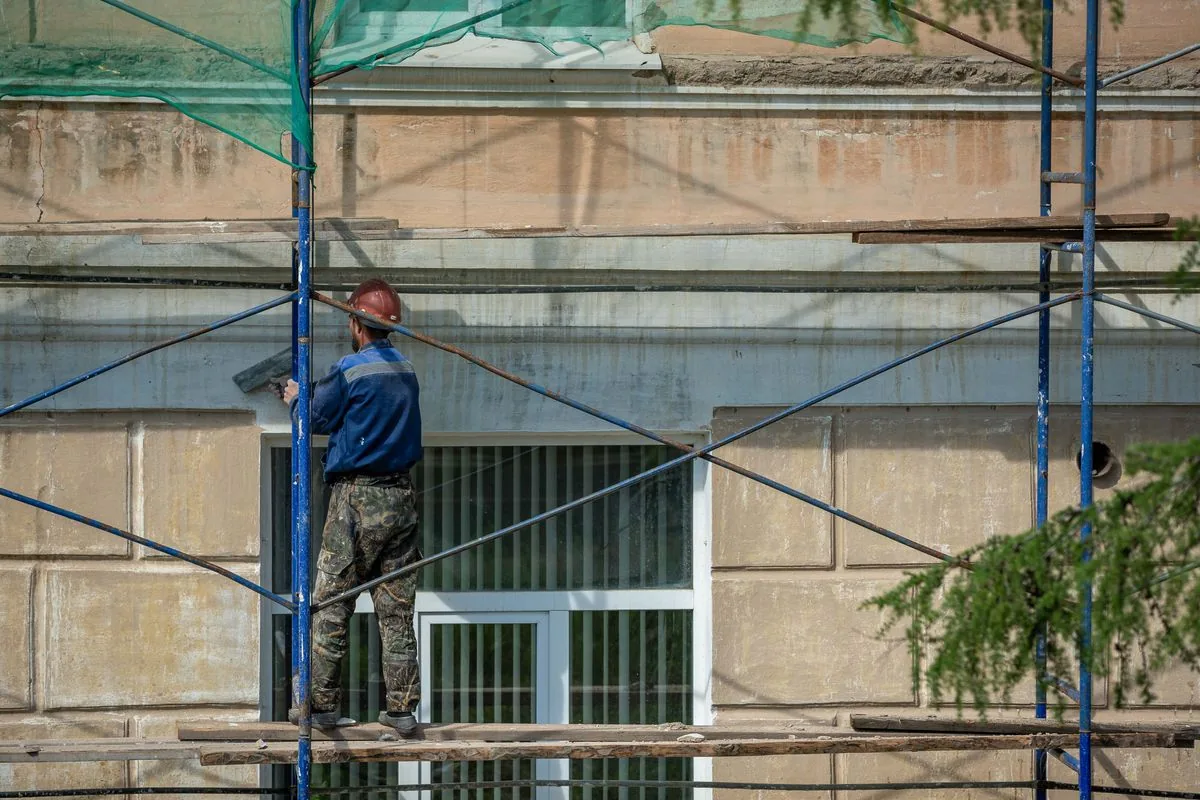
How We Repair EIFS Systems
EIFS repair follows a methodical sequence. Rushing any step compromises the integrity of the finished repair and risks trapping moisture in the wall assembly.
- 1Locate All Breach Points
We probe the entire affected area, not just visible cracks. We use a moisture meter to identify foam board saturation that may extend beyond what is visible from the surface. Sealant at every window, door, and penetration in the repair zone is inspected and probed.
- 2Open Failed Sections
Deteriorated finish coat and base coat are cut and removed back to sound, dry material. We do not patch over questionable substrate. If the foam board beneath is wet or crumbling, it must come out.
- 3Replace Deteriorated Foam Board
Wet or deteriorated EPS foam board panels are removed and replaced with new foam of matching thickness. The new panels are secured to the substrate and edges are tight to the surrounding foam.
- 4Re-embed Fiberglass Mesh in Fresh Base Coat
A new polymer-modified base coat is troweled over the repair area and fresh fiberglass reinforcing mesh is embedded into the wet material. The mesh is lapped onto the surrounding existing base coat for continuity. Multiple passes allow proper cure between applications.
- 5Apply Color-Matched Finish Coat
The acrylic finish coat is applied over the cured base coat and feathered into the surrounding area. Texture, aggregate size, and color are matched to the existing system as closely as possible. On older EIFS systems that have faded significantly, we may recommend treating a full wall panel or the entire exterior to eliminate visible patch lines.
- 6Reseal All Penetrations
All window and door perimeters, electrical penetrations, and other transitions in the repair zone are resealed with appropriate backer rod and sealant. This is the step most DIY repairs miss, and it is what determines whether the repair lasts.
When Spot Repairs Are Enough and When They Are Not
Spot repairs work well for isolated, contained failures: a single window that has developed cracks at its corners, an impact dent from a weed trimmer, a small section where the finish coat has delaminated from the base coat but the foam board beneath is dry. If water infiltration has been limited in time and area, a targeted repair seals the breach and restores the system.
Full EIFS removal and replacement is the right call when moisture infiltration has been ongoing for an extended period and has spread through a large percentage of the wall assembly. Signs that point toward full replacement include: moisture readings throughout multiple wall panels, visible mold growth behind the system, foam board that has delaminated from the substrate in multiple locations, and finish coat failures that are widespread rather than localized.
On commercial buildings, especially Tucson strip malls and office buildings from the 1990s where EIFS was installed over a long building perimeter and the system has been maintained inconsistently, the cost-benefit often favors full replacement over patching dozens of isolated failures that will keep recurring. We assess this honestly: we do not recommend full replacement when spot repairs will hold.
We tell you what the wall actually needs. If spot repairs will hold, that is what we recommend. If the moisture damage is too widespread for patches to be a sound investment, we say so and explain why. You get a written estimate before any decision is made.
Commercial EIFS in Tucson: Strip Malls and Office Buildings from the 1990s
A significant portion of Tucson's commercial building stock from the 1990s was clad with EIFS. The Grant Road, Speedway Boulevard, Oracle Road, and Broadway corridors all have strip retail centers and small office parks where the EIFS exterior is now 25 to 35 years old. At that age, the acrylic finish coat has cycled through thousands of Tucson summer days and monsoon seasons. Window and door perimeter sealants have aged through multiple generations of repairs or gone unrepaired entirely.
The most common scenario we see on Tucson commercial EIFS is incremental neglect: a property management company that has had the cracks recaulked a few times over the years without addressing the underlying foam board saturation behind them. By the time a tenant or owner decides to address it properly, there are often multiple areas of compromised foam board that require full section removal.
We work with commercial property owners, property managers, and HOAs on EIFS repair and replacement scopes. We provide detailed written estimates that break down the work by area, which makes it straightforward to evaluate the scope against a repair budget or to phase the work across multiple years.
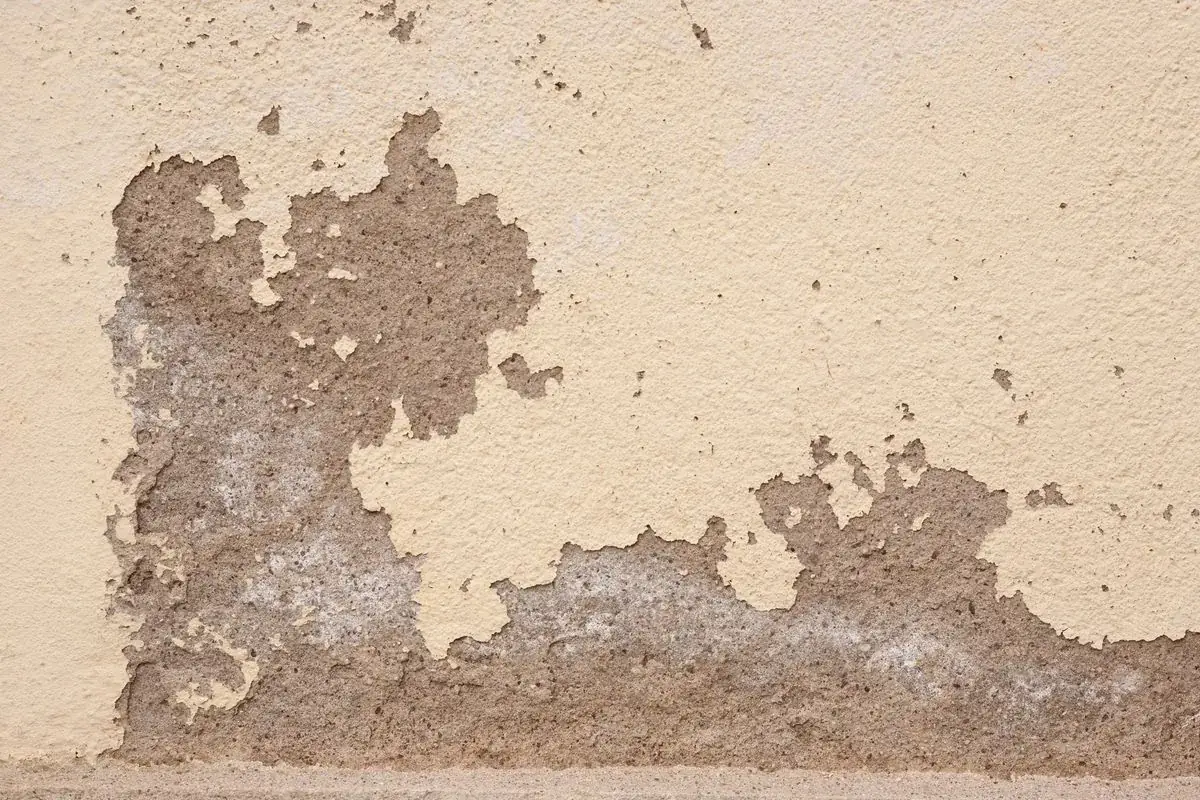
EIFS Repair Costs in Tucson
EIFS repair pricing depends on the scope: how many sections need foam board replacement, how much surface area requires base coat and finish coat, and how many penetrations need resealing. The ranges below give you a working starting point. Your written estimate will give you an exact number.
Service Area for EIFS Repair
We serve Tucson and all of Pima County for EIFS inspection, repair, and replacement. That includes residential and commercial properties in central Tucson, the Foothills, Oro Valley, Marana, and Green Valley. Commercial property inquiries from property managers, HOAs, and building owners across the county are welcome.
We assess the wall system and give you a written estimate. Free, no obligation.
Not sure what system you have? Press your knuckle firmly against the wall. EIFS gives slightly under pressure. Traditional stucco is rigid and unyielding.
We can confirm which system you have during a free estimate visit and walk you through what that means for your repair options.
- ✓Window and door perimeter crack repair
- ✓Foam board removal and replacement
- ✓Fiberglass mesh re-embedding
- ✓Color-matched finish coat application
- ✓Penetration resealing
- ✓Full EIFS removal and replacement
- ✓Commercial building assessment