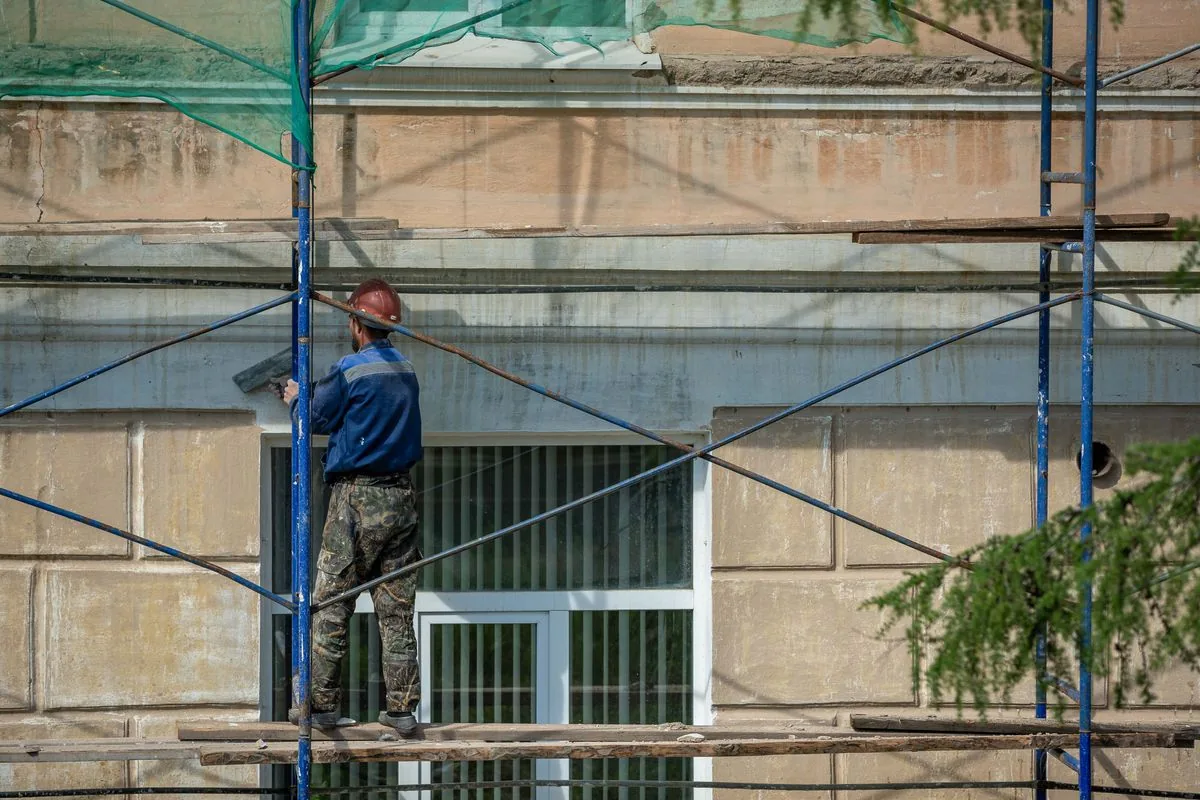
The question of re-stucco versus patch repair comes up often on older Tucson homes, particularly after a rough monsoon season or ahead of a home sale. The answer is not always intuitive. A large number of small patches spread across the whole house can cost more than a full re-stucco while leaving an aging, patchwork-looking system in place. A single large section with active substrate damage may need to be addressed before the rest of the house can be left alone.
Here is the decision framework we use when assessing a home, including the specific thresholds where patching stops making financial sense.
The Case for Patch Repair
Patch repair is the right call in the majority of situations. Here is when it clearly wins:
If one or two sections of your exterior show active damage while the surrounding stucco is sound (solid when tapped, no widespread cracking), patching those sections and leaving the rest alone is the most cost-effective approach. There is no reason to tear off healthy stucco. An isolated section cut to the lath, rebuilt with new coats, and texture-matched to the original gives you another 20 to 30 years of service on that section at a fraction of re-stucco cost.
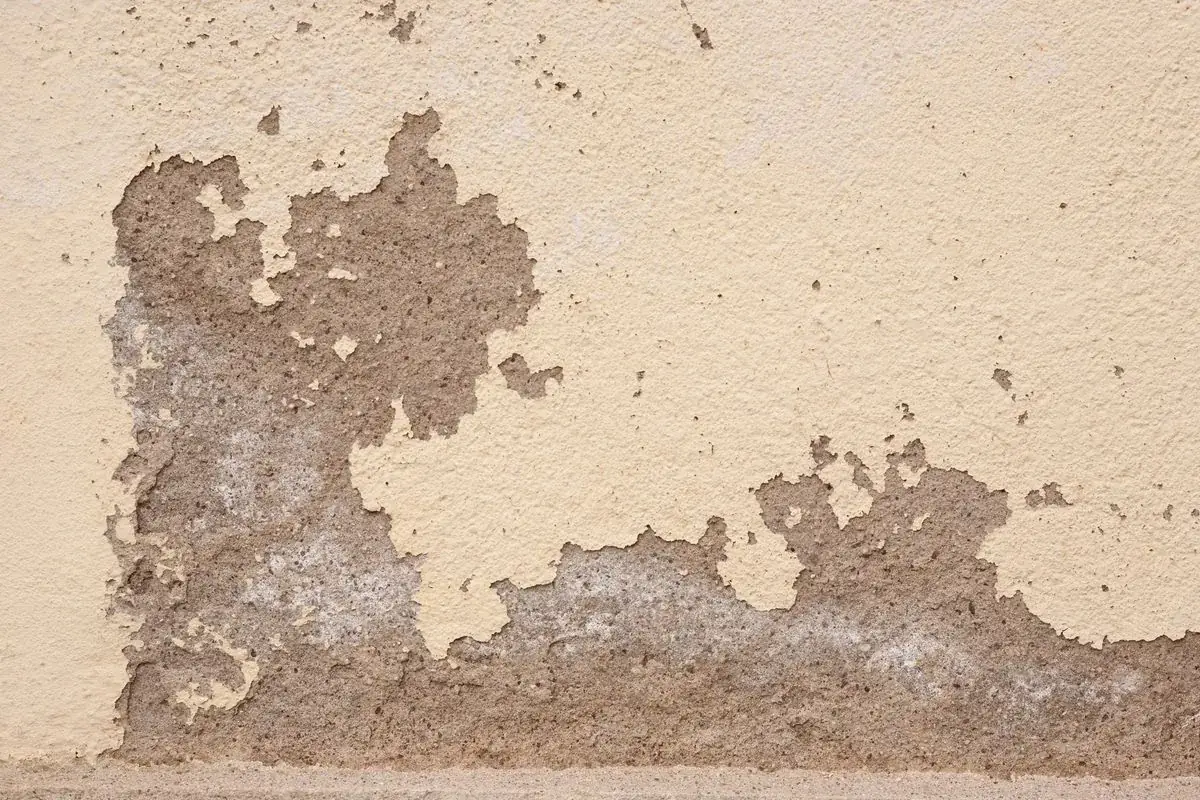
The rule of thumb in the trade is that if less than 30 percent of any given wall elevation shows active damage (cracking, delamination, hollow areas), patching is more cost-effective than full replacement on that elevation. Above 30 percent, the cost of multiple patches on the same wall starts to approach re-stucco cost, and the result is more consistent if you simply tear off and rebuild.
The substrate behind the stucco determines whether a patch will last. If the metal lath and building paper are intact in the damaged area, a standard three-coat patch will perform as well as the original stucco. If the lath is rusting, the building paper is compromised, or the framing is damp or soft, those problems must be addressed, but the scope of that work does not automatically require re-stuccoing the whole house.
When Full Re-Stucco Becomes the Better Investment
When damage is widespread across multiple wall elevations, the combined patch cost approaches re-stucco cost. At that point, full re-stucco delivers a fresh 50-year system, consistent color and texture across the entire exterior, and a known-good substrate inspection in the process. Multiple scattered patches leave an aging system in place and never achieve the visual consistency of a fresh exterior.
Stucco on homes built in Tucson in the 1960s through 1980s may simply be at the end of its serviceable life. If the finish coat is chalking heavily, the surface has widespread map cracking, the existing repairs look patchworked, and the stucco is 40 to 50 years old, a full re-stucco gives you a known 50-year baseline. Continuing to patch aging stucco past the end of its life produces diminishing returns.
If a contractor opens damaged areas across your exterior and finds rusted lath or compromised building paper in most sections inspected, substrate failure is systemic rather than isolated. Patching individual sections over a failing substrate produces patches that will need redoing within 5 to 10 years. Full re-stucco with substrate inspection and repair produces a coherent, long-lived result.
If you are selling the home in 12 months or undertaking other major exterior work, the cost and disruption timing may favor a full re-stucco. A fresh exterior eliminates stucco items from the buyer's inspection report and adds definable market value. Patching before sale fixes individual problems but may still leave a tired-looking exterior that invites negotiation.
The Third Option: Fog Coat or Elastomeric Recoat
There is a middle ground that often makes sense on homes where the stucco structure is sound but the surface is showing its age: a fog coat or elastomeric recoat. This does not replace damaged stucco and does not substitute for patch repair of delaminated sections. But after any necessary patches are done, an applied surface treatment can restore color uniformity, seal surface microcracks, and add a waterproofing layer, all for a fraction of re-stucco cost.
A fog coat (thin Portland cement slurry with pigment) typically costs $2,500 to $5,000 for a whole-house application on a standard Tucson home. An elastomeric coating runs $3,000 to $6,000 and adds a flexible waterproofing membrane. Either option can extend the effective life of structurally sound stucco by 10 to 15 years and is worth considering before committing to a full re-stucco.
Common Questions
How much does a full re-stucco cost vs patching in Tucson?
Will a patched stucco section match the original wall?
Should I re-stucco before selling my house in Tucson?
Get a Free Patch vs Re-Stucco Assessment in Tucson
We inspect your exterior, tell you honestly which approach makes more sense for your situation, and give you a written quote for both options if it is close.
- Honest assessment with no up-sell pressure
- Written quote for patch or re-stucco
- Substrate inspection included
- Licensed and insured in Arizona
- Serving Tucson, Oro Valley, Marana, and Pima County