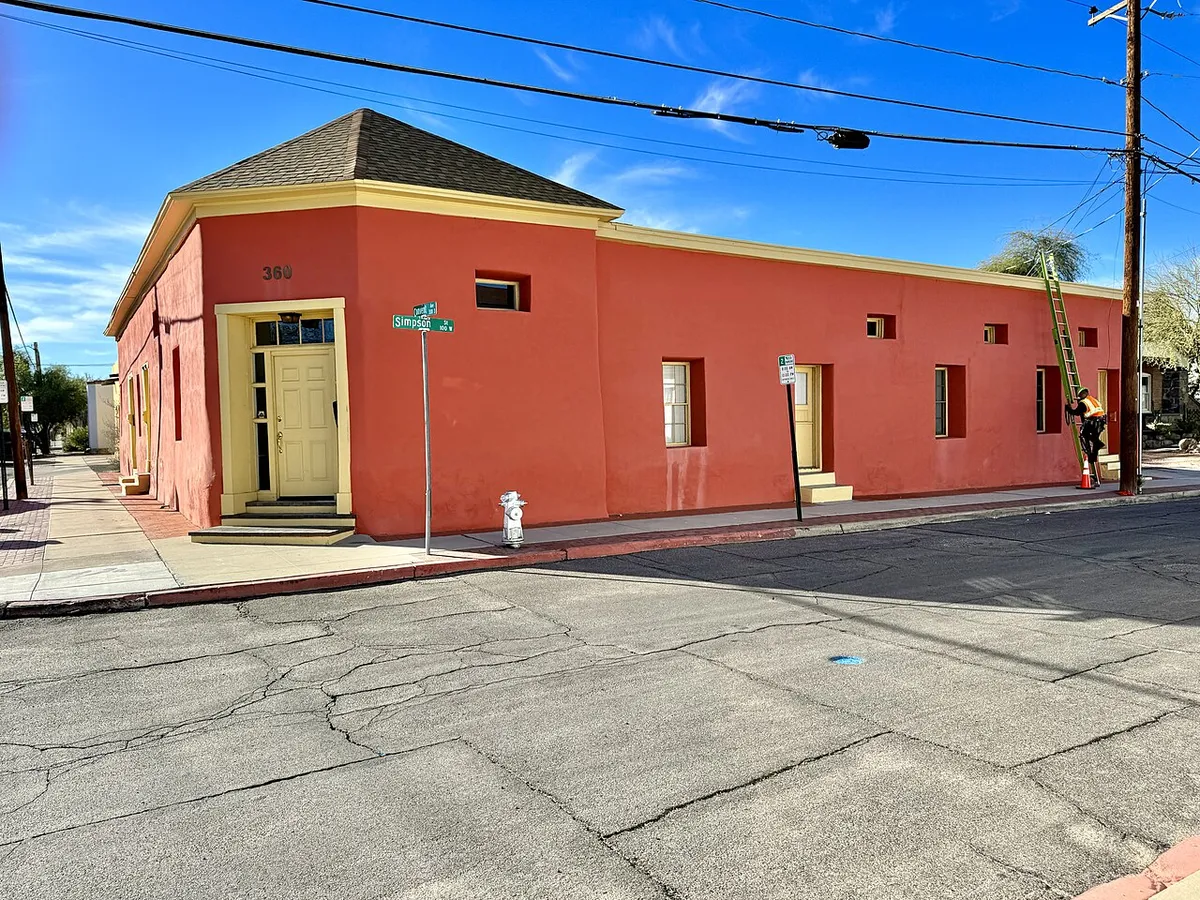
Historic Stucco Restoration in Tucson, AZ
Historic stucco restoration in Tucson means repairing old lime or early cement stucco with a mix that matches the original in strength, color, texture and number of coats, so the repair doesn't crack the wall around it. Tucson Stucco Repair handles stucco restoration on the city's pre-war houses and adobe-era buildings.
Is Your Stucco Lime or Cement?
Knowing what's on the wall comes before any repair. The National Park Service's brief on historic stucco (Preservation Brief 22) gives the timeline: until the late 1800s, stucco was mainly lime; after about 1900, most stucco was portland cement mixed with some lime. There is no exact cut-off, since some plasterers used portland cement in the 1880s and others kept to lime well into the 1900s. An old lime building has also usually been patched many times, and some of those patches are almost certainly cement.
So the house's age is the first clue and a sample is the answer. The brief recommends analyzing the existing stucco for its main ingredients and their proportions, so the new mix can copy the old in strength, composition, color and texture. On adobe walls the question is the brick as well as the coat: see adobe repair in Tucson.
Why Modern Cement Patches Fail on Old Stucco
Portland cement stucco is hard and rigid; historic lime stucco is softer and more flexible. The NPS brief puts it bluntly: the differing expansion and contraction rates of lime and cement stucco will normally cause the stucco to crack. In Tucson that movement happens every summer day, with June averaging a swing of about 30 degrees between afternoon and dawn (see why stucco fails in Tucson). A cement patch on a lime wall cracks around its edge, lets water in, and can pull sound lime stucco off with it.
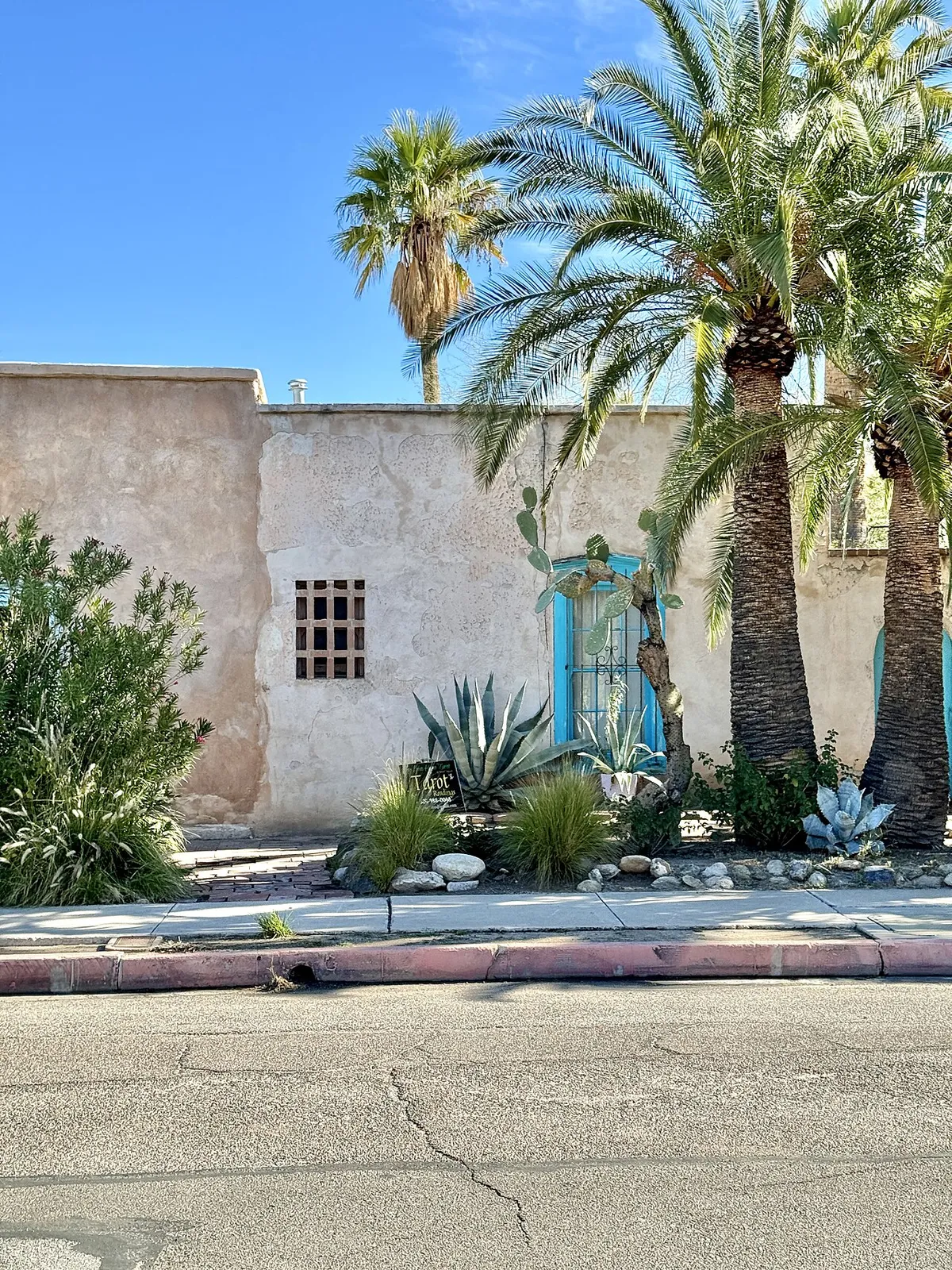
The same brief warns against the quick fix many old walls already carry: caulk in hairline cracks. It attracts dirt into the texture, and a year after painting the caulked lines stand out. A thin slurry of the finish-coat ingredients, or limewash, is the matching repair for a hairline crack.
How Historic Stucco Is Restored
- Stop the water. The NPS list of causes is mostly water: leaking gutters and downspouts, settlement at doors and windows, plants against the wall, vents pushing moist air into it, and ground water rising where drainage is poor. Repairing stucco without fixing these comes back.
- Identify the stucco. Sample and analyze the original, including the sand, which supplies most of the color.
- Remove only what has failed. Loose, hollow and incompatible cement patches come out; sound historic stucco stays. Patch areas are cleaned of debris, loose paint and plant growth.
- Mix to match. Same strength and ingredients as the original, and the same number and thickness of coats.
- Test panels. Let samples weather, ideally a year or at least through a change of seasons, beside the old stucco before committing to the color.
- Finish to match. The finish coat is worked to the original texture, and the color is judged dry, not wet.
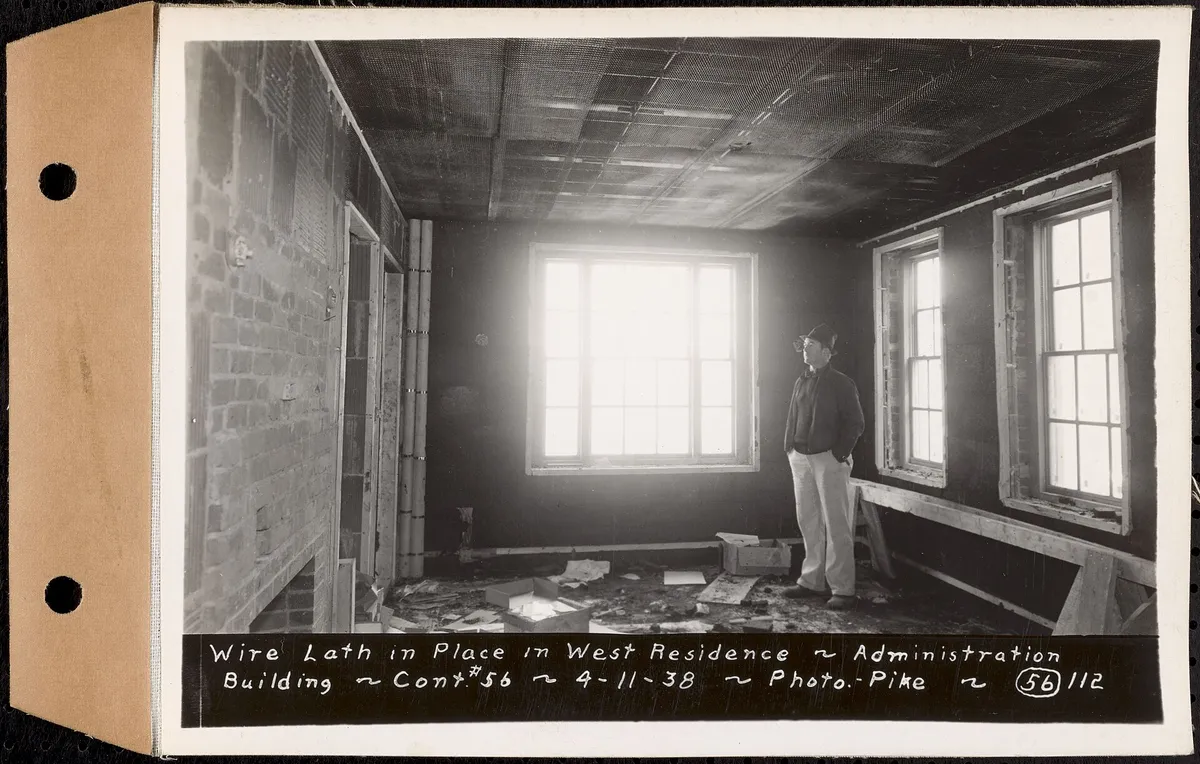
Mixes the NPS brief gives as starting points
| Item | From Preservation Brief 22 |
|---|---|
| Lime | ASTM C-207 Type S hydrated lime |
| Cement (where used) | ASTM C-150 Type II white, non-staining portland cement |
| Early 1900s portland stucco | 1 part portland cement to 2 1/2 parts sand, hydrated lime no more than 15% of the cement volume |
| Lime stucco with some cement | Portland cement never more than 1 part to 12 parts lime and sand |
| Sand | Matched to the original as closely as possible; it carries most of the color |
Source: NPS Preservation Brief 22, The Preservation and Repair of Historic Stucco. These are published starting points, not a spec for your wall; the analysis of your stucco decides the mix.
Color, Limewash and Paint on Old Stucco
Early stucco took its color from the sand, sometimes from added mineral pigments, and often from a whitewash or colorwash over the top. Factory-pigmented stucco came later: the brief credits California Stucco Products, founded in 1927, with the first pre-packaged stucco that had colored pigment in the mix. That history matters when matching a 1920s or 1930s house, because its color may be in the coat, not on it.
For a patch on the front of a house, the brief's advice is realistic: a hand-mixed match is usually close enough for a whole wall or a clearly separate area, but small patches on a main elevation show, and the fix may be to paint or wash the entire elevation. When recoating, the new coat must be compatible with what is already on the wall. Cement-based paints and limewash bond with the stucco; latex paint can go on a slightly damp wall but not a chalky one; oil-based paint needs a dry wall, and new stucco may need up to a year before it takes oil paint. The same choices on newer walls are covered under stucco painting and color matching.
Historic Zones: What Needs City Review
Much of Tucson's oldest stucco and plaster is in its Historic Preservation Zones: Barrio Historico (Barrio Viejo), El Presidio, Armory Park, West University and Fort Lowell. Under the City of Tucson's Historic Review guide (revised September 2026), spot patching of mortar, stucco or plaster and repainting walls that are already painted need no historic review. Replacing stucco or plaster is minor review, typically 6 to 8 weeks. Questions go to PDSD's historic office at PDSDHistoric@tucsonaz.gov. A building permit is a separate question; the Pima County stucco permit guide covers it.
When It Needs a Plasterer
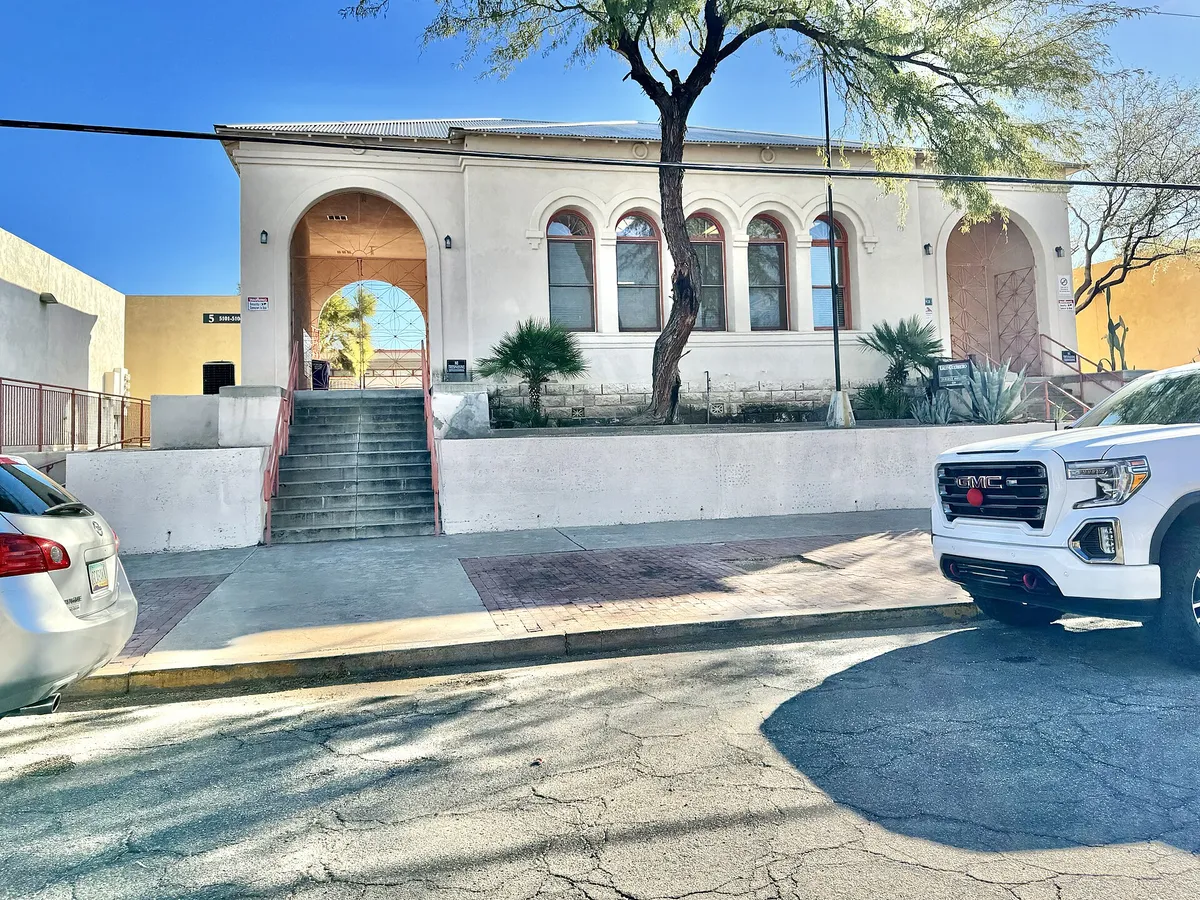
The NPS brief is direct about this: stucco is a material of deceptive simplicity, and its repair should not be undertaken by an owner unfamiliar with plastering. Repainting a sound wall is owner work; cutting out failed stucco, matching a lime mix and building coats is plasterer's work. In Arizona that falls under the Registrar of Contractors' R-36 Plastering classification, so check the license before you hire. For newer stucco, start with stucco repair in Tucson, and for interior lime and gypsum work see plaster repair.
- Lime stucco repair
- Removing failed cement patches
- Matched mixes and test panels
- Texture and color matching
- Limewash and compatible coatings
- Historic zone repairs