Stucco Repair in Tucson, AZ
Stucco repair in Tucson covers a wide range of work: sealing hairline cracks before they admit monsoon water, cutting out delaminated sections and rebuilding the scratch coat, patching areas where the finish has separated from the base, and applying fog coats or full color coats to blend repairs into the surrounding wall. Whatever the issue, the goal is the same: a watertight, structurally sound exterior that holds up against the specific demands of a Sonoran Desert climate.
Tucson conditions are harder on stucco than most homeowners realize. The city sits at roughly 2,400 feet elevation, which amplifies UV exposure compared to lower desert cities. Summer days routinely swing 40 degrees Fahrenheit between morning low and afternoon high, a thermal cycling rate that stresses the stucco shell constantly. Monsoon season runs from June 15 through September 30 and can dump two inches of rain in under an hour. Any crack that was cosmetic in May becomes a water intrusion point by July. The caliche-rich groundwater and mineral content in local water sources also produce efflorescence, white chalky deposits that bloom on exterior surfaces and indicate moisture movement through the wall assembly.
Professional repair addresses the cause, not just the symptom. Filling a crack with caulk without understanding why it opened does not solve anything. Our process starts with an on-site assessment of the full wall condition, followed by a written estimate that explains exactly what needs to happen and why.
Stucco Repair Services We Provide in Tucson
Crack Repair
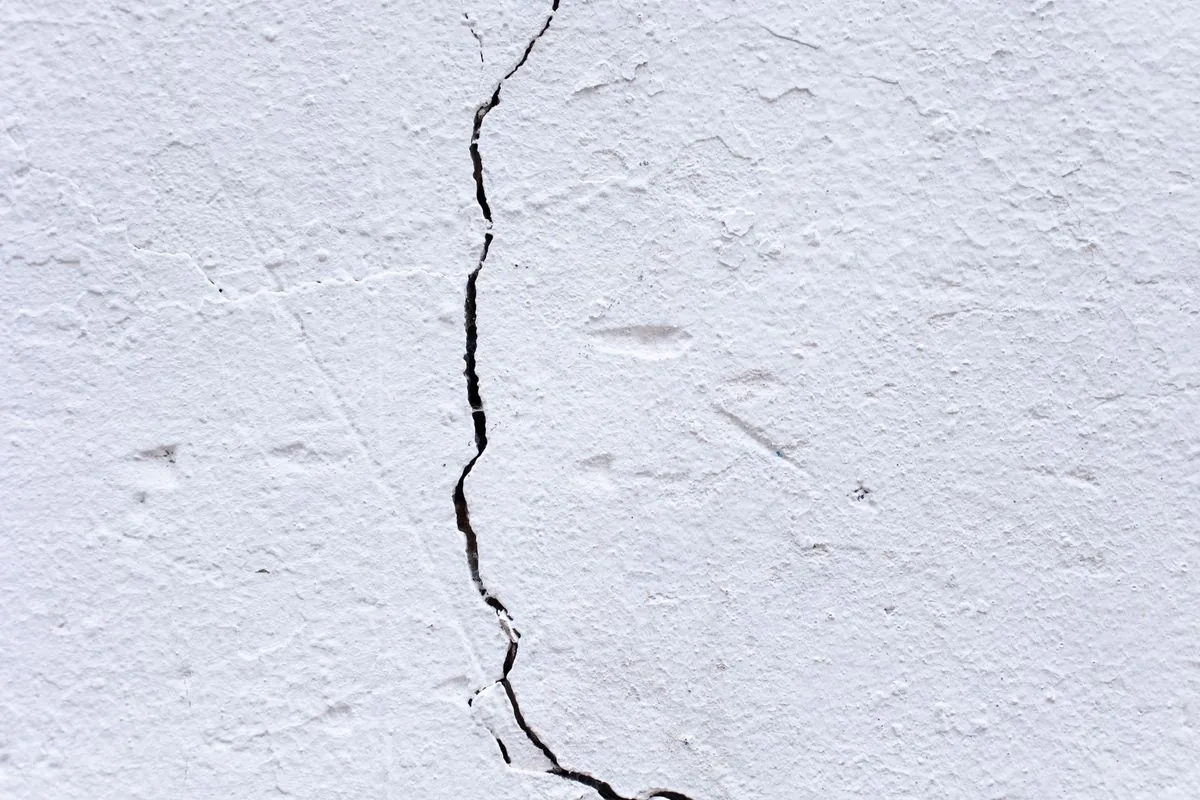
Hairline cracks are the most common stucco repair request in Tucson and also the most important to address before monsoon season. A crack that is 1/16 inch wide in June can allow enough water penetration by September to saturate the building paper or felt behind the stucco, leading to mold, wood rot, or damage to the sheathing. Hairline crack repairs run $150 to $400 depending on length, location, and whether the crack is structural or surface-level. We route and seal structural cracks, apply elastomeric filler for movement cracks, and feather in a finish coat to match the surrounding texture.
Delamination Repair
Delamination is what happens when the finish coat or the brown coat separates from the layer below. You can often detect it by tapping the wall: a hollow sound means the bond has failed. Delaminated stucco will eventually crack, buckle, or fall away. Repair involves removing the compromised section back to a solid edge, cleaning and priming the substrate, and rebuilding the layers in the correct sequence. Patch prices for delamination work typically run $400 to $900 for contained areas.
Water Damage Repair
Water damage behind stucco is more common in Tucson than the exterior suggests. Monsoon-driven water finds its way through cracks, failed control joints, and compromised window or door penetrations. Once moisture gets behind the stucco system, it can damage the building paper, corrode wire lath, and rot the wood framing behind. Water damage repairs in Tucson run $900 to $3,000 for typical contained areas. The scope depends on how far the moisture has traveled, whether the lath needs to be replaced, and whether the sheathing behind has been affected. We remove all compromised material, allow the assembly to dry, and rebuild with new building paper and lath before applying fresh stucco coats.
Re-Coat and Fog Coat
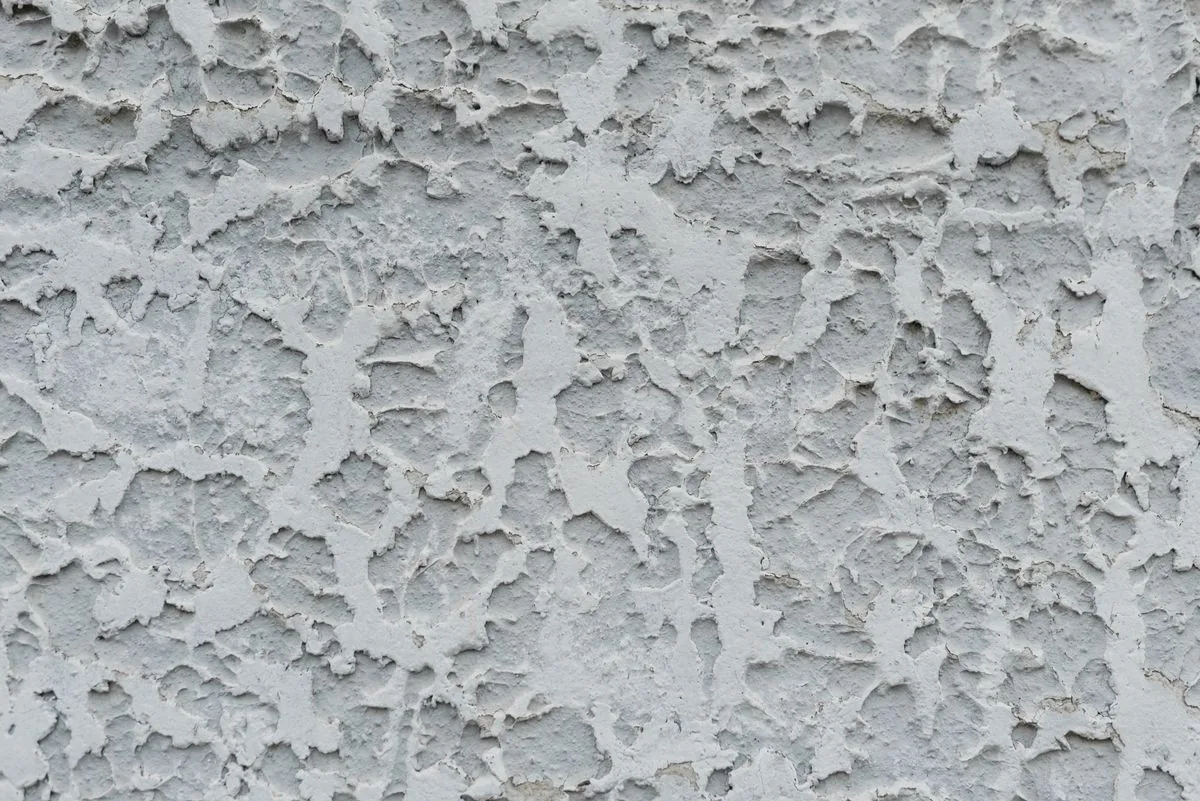
When a stucco surface is structurally intact but the finish coat has faded, chalked, or become uneven from years of UV exposure, a re-coat or fog coat is often the right solution. A fog coat is a thin cement slurry applied over existing stucco to restore color and seal the surface without adding significant thickness. It is particularly effective on homes with traditional sand or dash finishes where the texture is still in good condition. A full re-coat applies a new color coat layer over the existing base, which gives more coverage and allows for texture refinement. Both approaches are less expensive than full re-stucco and are appropriate when the underlying system has not been compromised.
Full Patch and Section Replacement
Some damage is too extensive for a standard crack repair or delamination patch. When an entire wall section has failed, whether from impact, prolonged water exposure, or age-related breakdown of older lime plaster or three-coat systems, section replacement is the appropriate repair. We cut the perimeter of the compromised area to a clean edge, remove the material down to the substrate, install new wire lath, and apply a full three-coat sequence: scratch coat, brown coat, and finish coat. The result integrates structurally with the surrounding stucco and, with a fog coat over the full wall face, blends visually as well.
Tucson-Specific Stucco Conditions You Should Know
Efflorescence from Caliche and Mineral Water
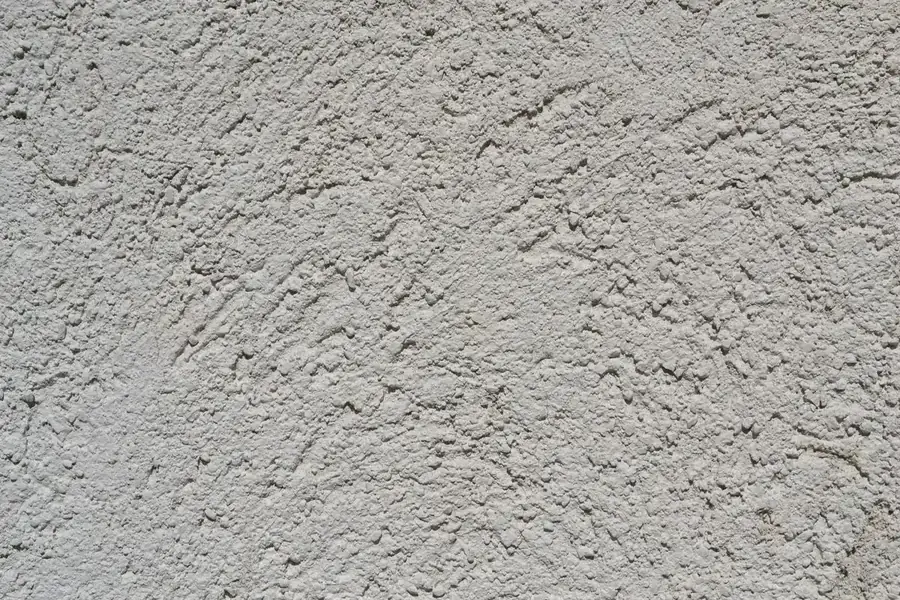
Tucson's groundwater is high in dissolved minerals, and the caliche layer widespread throughout Pima County soils means mineral-rich water can move through foundation elements and into exterior walls. Efflorescence, the white powdery residue that forms on stucco surfaces, is a sign of this mineral migration and indicates active moisture movement through the wall assembly. Treating efflorescence correctly means addressing the moisture pathway, not just cleaning the surface deposit. We assess where the moisture is entering, seal that pathway, and then clean and seal the affected stucco surface. The University of Arizona Cooperative Extension has additional guidance on moisture management in Sonoran Desert homes.
Thermal Cycling and Summer Temperature Swings
Tucson averages daily temperature swings of 40 degrees Fahrenheit or more during June, July, and August. A stucco wall facing west can absorb surface temperatures exceeding 140 degrees during peak afternoon sun, then cool dramatically after sunset. This repeated expansion and contraction cycle is the primary cause of cracking in properly installed stucco that has simply been exposed to Tucson summers for a decade or more. Control joints are supposed to manage this movement, but they are often absent or insufficient in older construction. When cracks appear predictably in the same location year after year, the repair strategy has to account for ongoing movement, not just fill the crack and expect it to hold.
Monsoon Season Preparation
Tucson's monsoon season runs from June 15 through September 30. The North American Monsoon brings moisture-laden air from the Gulf of Mexico and Gulf of California, resulting in intense afternoon and evening thunderstorms that can drop one to two inches of rain in a single event. This makes pre-monsoon stucco inspection and repair one of the most important maintenance tasks for Tucson homeowners. Cracks that have been stable through the dry winter and spring become active water channels once the monsoon rains begin. We recommend scheduling your stucco assessment in April or May so any repairs are complete before June 15.
Older Homes with Lime Plaster and Three-Coat Systems
Many Tucson homes built before 1970 were finished with lime-based plaster and traditional three-coat stucco systems. These materials behave differently from modern Portland cement stucco and require specific repair approaches. Lime plaster is more flexible and breathable than Portland cement, so patching with modern stucco can create an incompatible bond that fails over time. We identify the existing system before proposing a repair method and use compatible materials to ensure the patch integrates with what is already there.
How the Repair Process Works
We visit the property and evaluate the full exterior, not just the obvious damage. Stucco issues are often more widespread than they appear on the surface. We tap-test walls, check control joints, inspect penetrations and flashings, and look for signs of moisture intrusion. This takes 30 to 45 minutes and is at no charge.
After the assessment, you receive a written estimate that describes exactly what work we recommend, why, and what it will cost. We do not use ranges as a final price. You know the number before scheduling. The estimate also notes which repairs are urgent versus maintenance items you can address later.
We schedule the work at a time that works for you. Most repairs are completed in one to two visits depending on the scope and curing requirements. We protect surrounding landscaping, windows, and trim during the repair. On completion, we walk the finished work with you before we leave.
Stucco Repair Pricing in Tucson, AZ
Stucco repair costs in Tucson depend on the type of damage, the extent of the affected area, and the coating system on the home. The ranges below reflect typical jobs in the Tucson market. Your written estimate will give you the exact figure after we see the property.
| Repair Type | Typical Range |
|---|---|
| Hairline crack repair | $150 to $400 |
| Delamination patch (contained area) | $400 to $900 |
| Water damage repair | $900 to $3,000 |
| Full re-stucco (single-family home) | $8,000 to $12,000+ |
| Fog coat (full wall) | $1,500 to $4,000 |
Service Area: Tucson and Surrounding Communities
We provide stucco repair throughout the greater Tucson metro area, including the communities below. If you are not sure whether we serve your location, call us and we will confirm.